
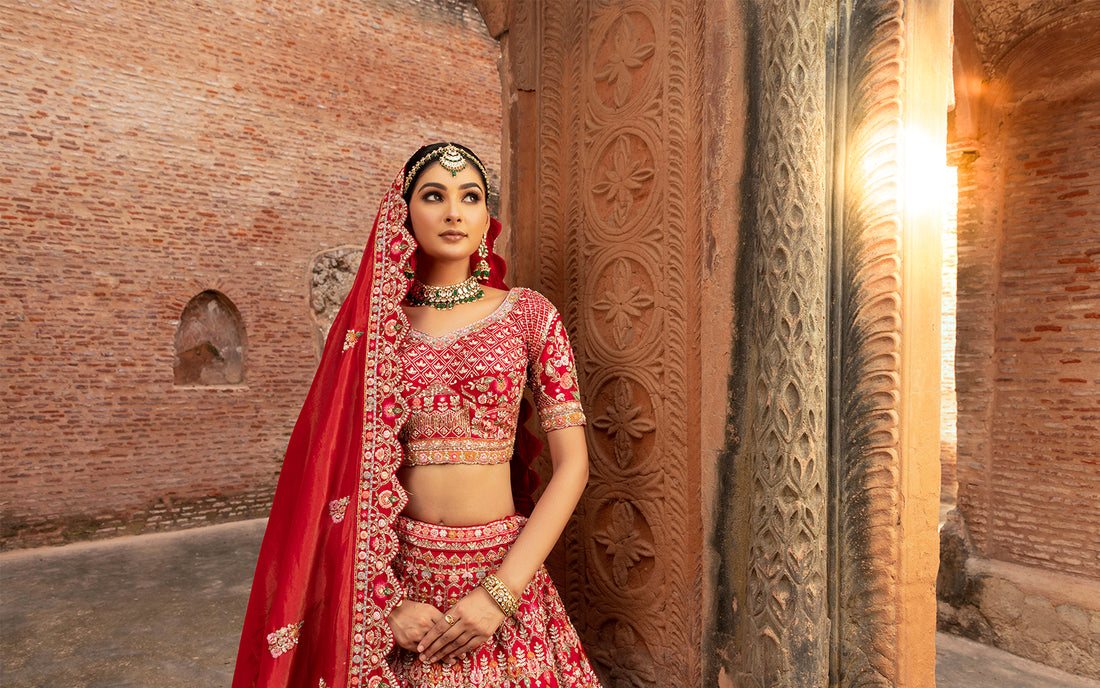
Indian weddings are a vibrant tapestry of traditions, rituals, and breathtaking aesthetics, with attire playing a pivotal role in defining their grandeur. Far more than mere clothing, Indian wedding dresses are a profound expression of culture, regional identity, and celebratory joy. From the resplendent bride and the dapper groom to the elegantly dressed guests, each ensemble tells a story of heritage, craftsmanship, and personal style. This guide delves into the diverse world of Indian wedding attire, offering insights into the iconic garments that make these celebrations truly unforgettable.
The Indian bride's attire is the undisputed centerpiece of any wedding celebration, a magnificent display of artistry and tradition. The two most prominent choices are the Lehenga Choli and the Saree. The Lehenga Choli, a three-piece ensemble comprising a long, flared skirt (lehenga), a fitted blouse (choli), and a coordinating scarf (dupatta), has gained immense popularity for its regal appeal and versatility. Brides often choose lehengas adorned with intricate embroidery like zari, zardozi, mirror work, or sequin embellishments, in a spectrum of rich colors from traditional reds and maroons to contemporary pastels and metallics. Different regions boast unique lehenga styles, from the heavily embellished Rajasthani lehengas to the more subtle Gujarati designs. The Saree, a timeless and elegant draped garment, remains a classic choice, symbolizing grace and tradition. Varieties like the opulent Kanchipuram silk sarees from the South, the rich Banarasi silk sarees from Varanasi, and the delicate Chiffon or Georgette sarees offer distinct drapes and textures. Each saree is meticulously chosen for its fabric, weave, and embellishments, often passed down as heirlooms or custom-designed for the bride, reflecting her unique taste and regional heritage.
While the bride often steals the spotlight, the groom's attire is equally significant, reflecting a blend of traditional elegance and modern sophistication. The Sherwani is perhaps the most iconic choice for Indian grooms, a long, coat-like garment typically worn over a kurta and churidar or salwar. Known for its regal silhouette and often embellished with embroidery that mirrors the bride's outfit, the sherwani exudes a majestic charm. Fabrics range from raw silk and brocade to velvet, often featuring intricate patterns, zari work, or subtle motifs. Another traditional option, particularly prevalent in South India or for specific religious ceremonies, is the Dhoti-Kurta. This comfortable yet elegant ensemble consists of a loose-fitting tunic (kurta) paired with a draped lower garment (dhoti), symbolizing cultural roots and simplicity. For receptions or more contemporary ceremonies, many grooms opt for well-tailored Western suits or tuxedos, sometimes incorporating Indian elements like a Nehru jacket or a unique pocket square. Accessories such as turbans (pagri or safa), embellished mojris (traditional footwear), and statement brooches complete the groom's distinguished look, adding a touch of personalized flair to his wedding ensemble.
The vibrant energy of an Indian wedding is amplified by the festive attire worn by family members and guests, each contributing to the visual splendor. For women, the options are plentiful and diverse. Sarees remain a popular choice, with guests opting for lighter silks, georgettes, or chiffons adorned with elegant prints, embroidery, or borders. The Salwar Kameez, a comfortable and versatile three-piece suit comprising trousers (salwar), a tunic (kameez), and a scarf (dupatta), is another favored option, often chosen in rich fabrics and festive colors. Anarkali suits, with their long, flowing kalidar kurtas, offer a graceful and opulent look, while contemporary gowns with Indian embellishments are increasingly popular for receptions. For men, traditional choices include the Kurta-Pajama, a comfortable tunic and trouser set, often paired with a stylish Nehru jacket for an added touch of sophistication. Western suits are also common, particularly for evening functions, sometimes accessorized with Indian elements like a patterned waistcoat or a traditional stole. The overarching theme for guest attire is vibrant color, festive fabrics, and respectful elegance, ensuring everyone looks their best while celebrating the joyous union.
In conclusion, Indian wedding dresses are a magnificent testament to India's rich cultural heritage and sartorial artistry. Each garment, whether it's the bride's ornate lehenga, the groom's distinguished sherwani, or the guests' festive attire, is carefully selected and often custom-made, embodying traditions that have been passed down through generations. The intricate embroideries, luxurious fabrics, and vibrant color palettes collectively create an unforgettable visual spectacle, making Indian weddings not just a union of two souls but a grand celebration of beauty, culture, and timeless style.
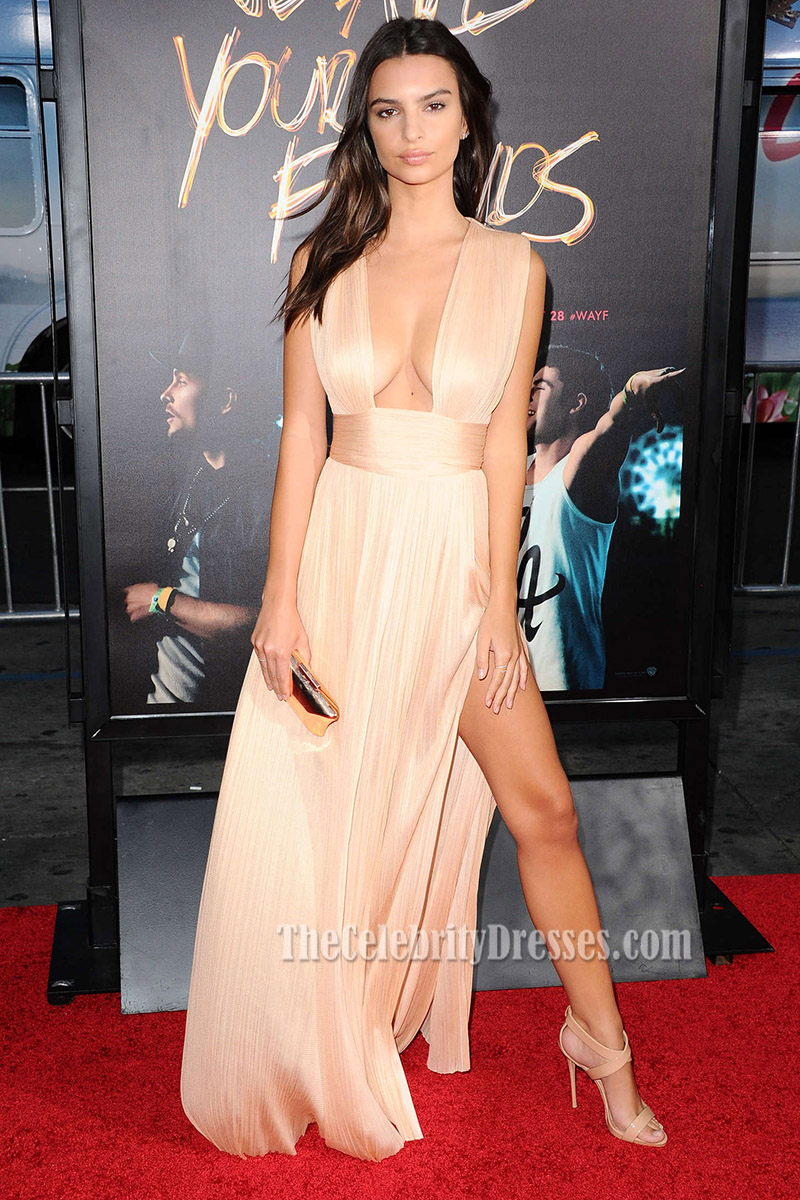
Emily Ratajkowski Champagne High Slit Evening Dress Sexy Red ...

HOW TO MAKE CHEAP CLOTHES LOOK MORE EXPENSIVE! | AD - YouTube
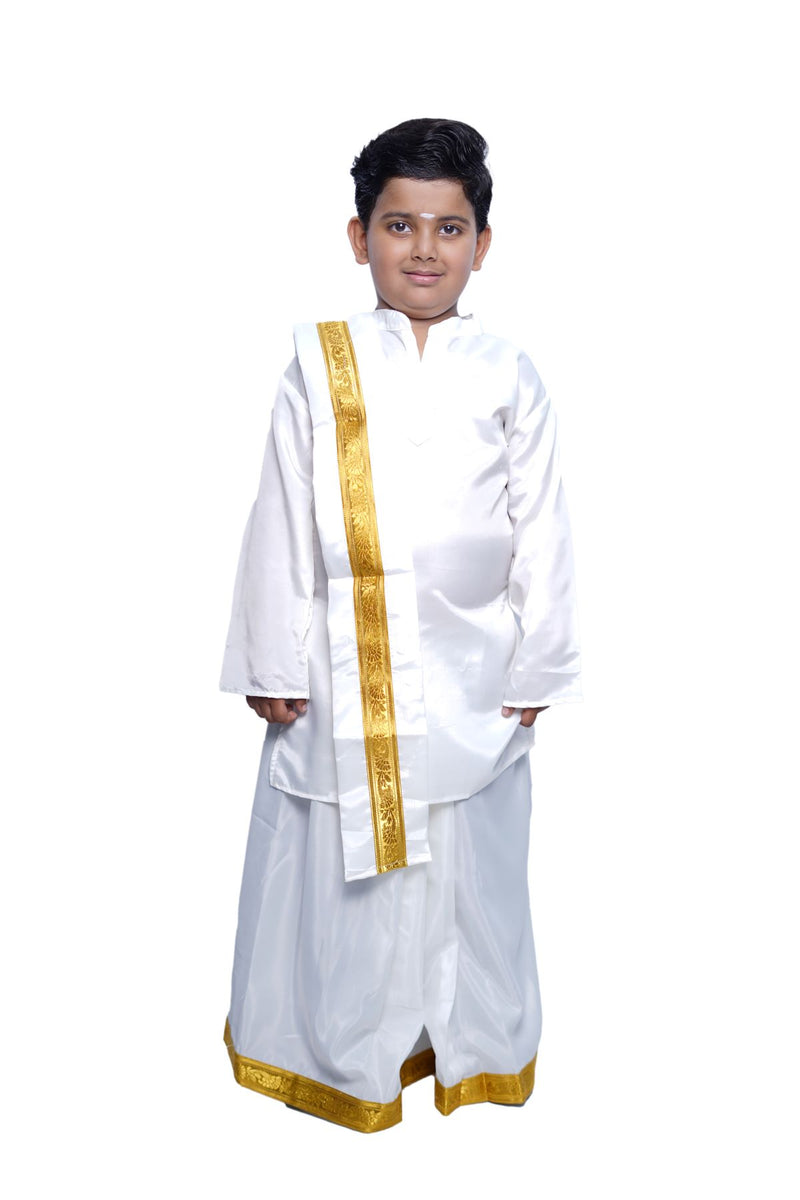
Indian Fancy Dress Outfits Competition Ideas Children's ...
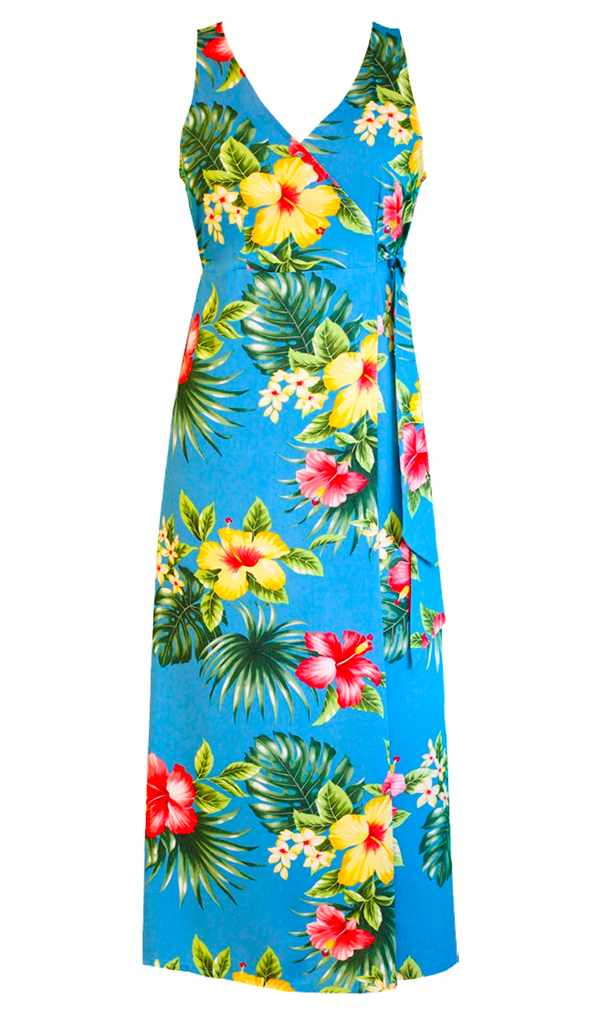
Hibiscus Bay Ladies Hawaiian V-Neck Faux Wrap Tea Length Dress in ...
![Close-up of a woman's hand with a ring, touching her black leather dress in an elegant setting. [pexels]](admin/resimler/close-up-of-a-woman-s-hand-with-a-ring-touching-her-black-leather-dress-in-an-elegant-setting-pexels_1761593034.jpeg)
Close-up of a woman's hand with a ring, touching her black leather dress in an elegant setting. [pexels]
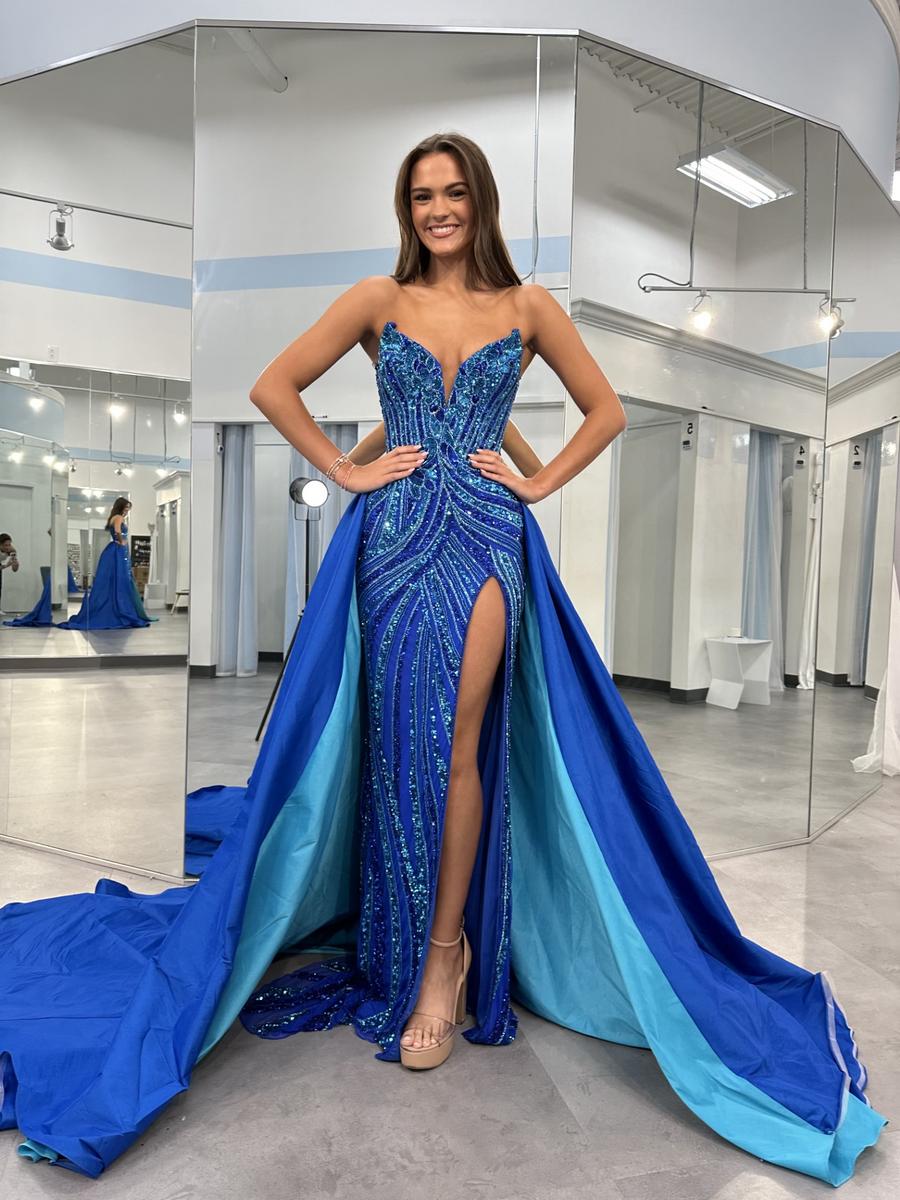
Custom Two-Tone Overskirt Mia Bella Prom Flowood MS | Sherri Hill ...
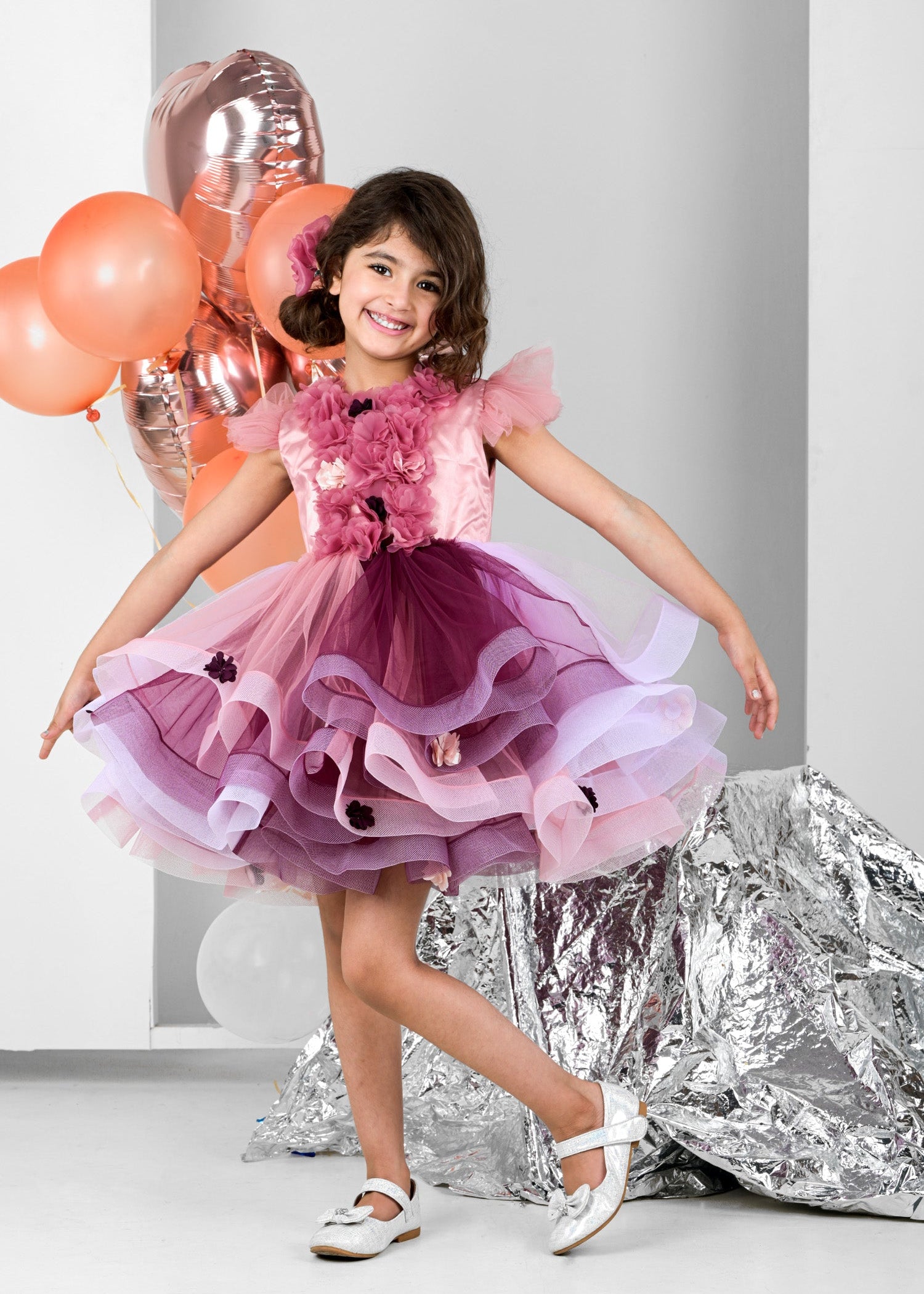
Flower Girl Confirmation Clothes For Girl Dusty Flower Girl Dress
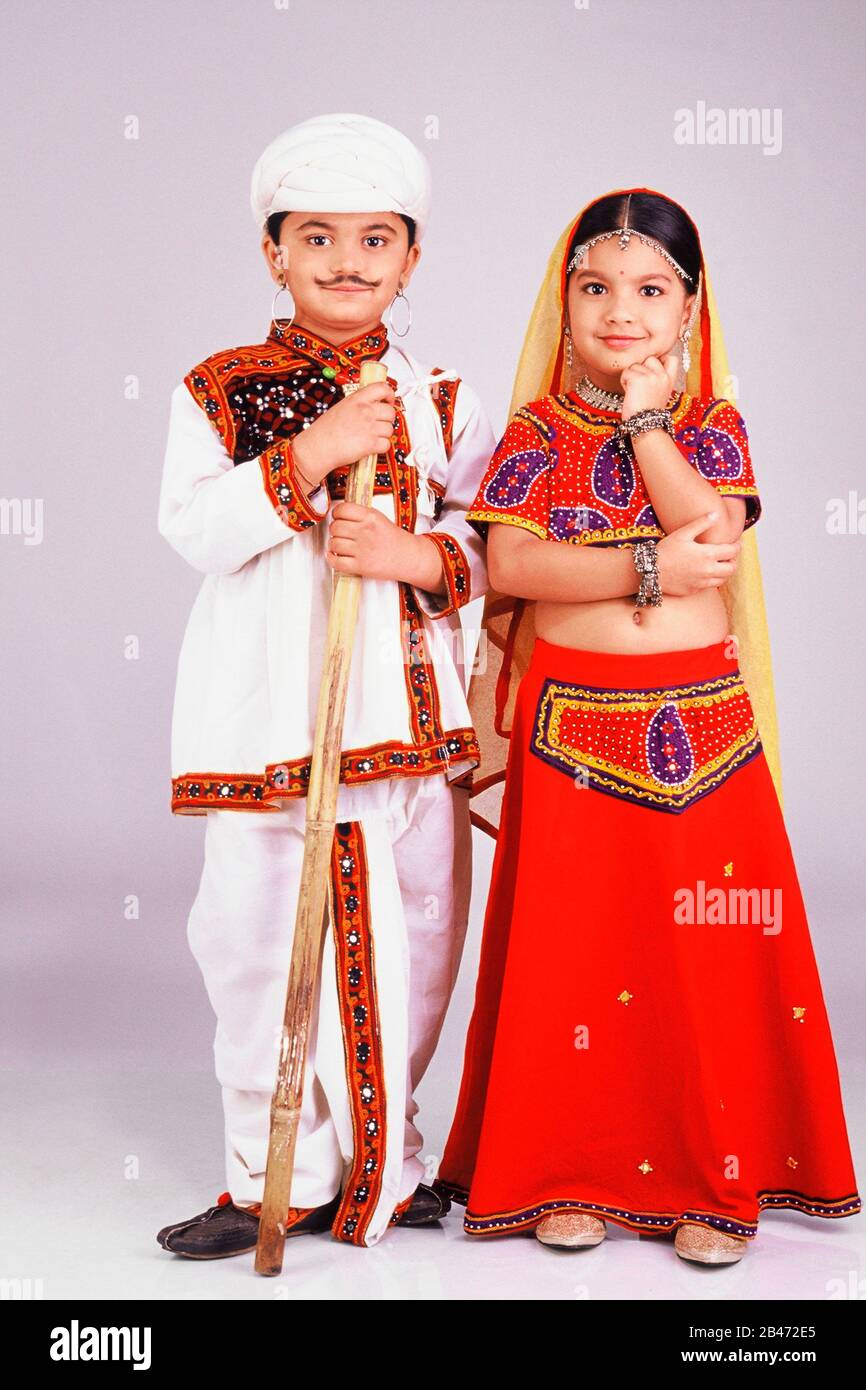
Boy and girl in fancy dress costume as Rajasthani couple - MR ...
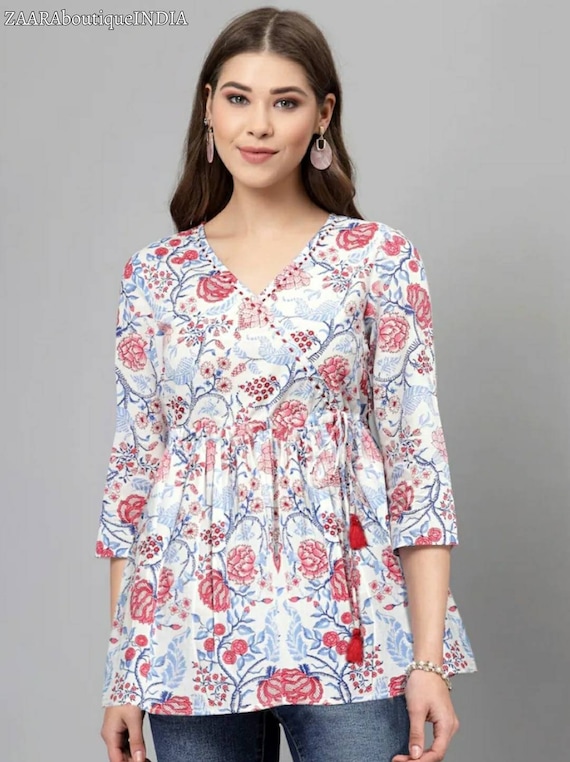
Tops for Women - Indian Ethnic Top - Red Floral Pure Cotton Kurti ...
The Other White Dress | Eva's Bridals International - Nike | Eva's ...


Yorumlar