
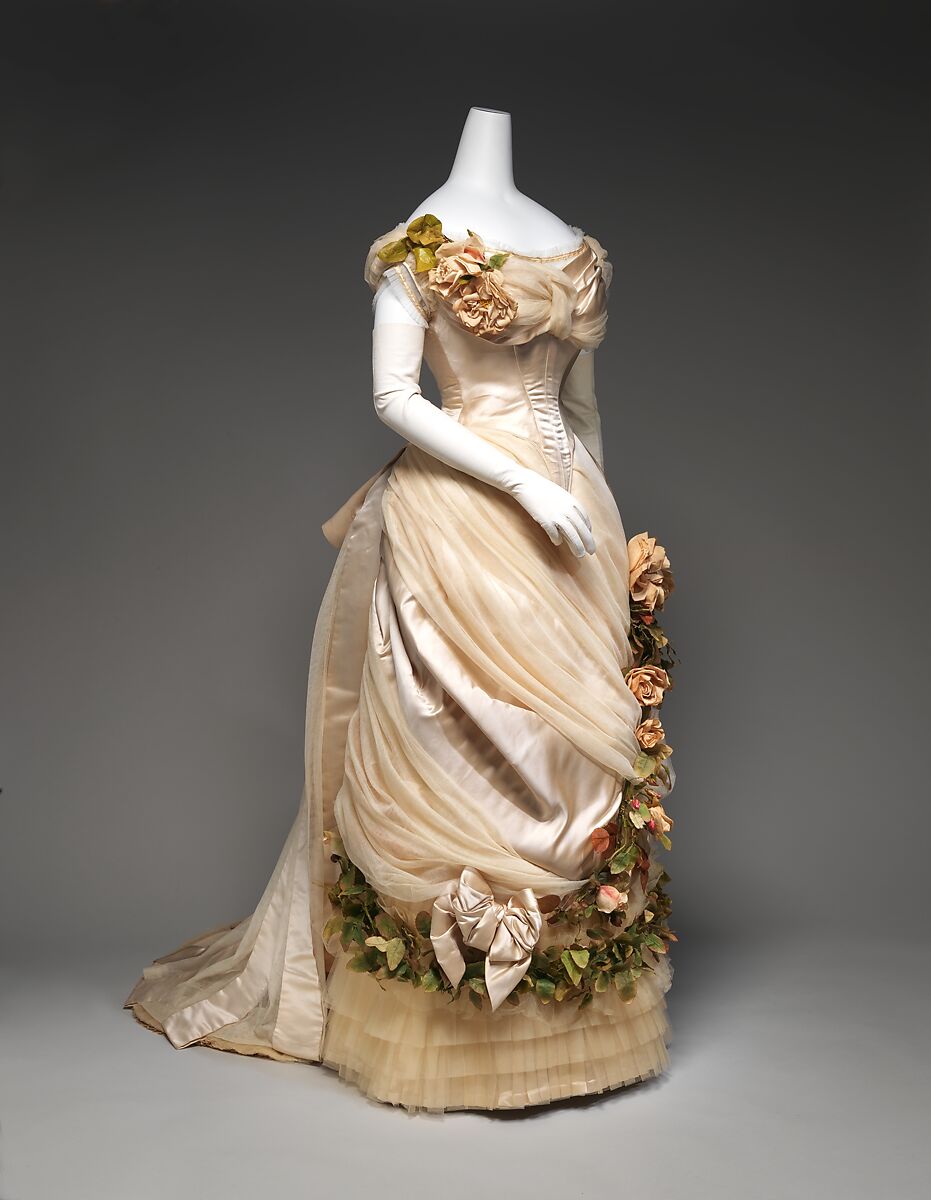
The House of Worth, founded by the visionary English designer Charles Frederick Worth in Paris, revolutionized the world of fashion in the latter half of the 19th century. Credited as the father of haute couture, Worth transformed dressmaking into an art form, dictating trends and dressing the most elite women of Europe and America. His creations, particularly his opulent evening dresses, were not merely garments but statements of status, wealth, and impeccable taste. The Metropolitan Museum of Art's collection proudly features several exemplary pieces from the House of Worth, offering invaluable insights into the splendor and meticulous craftsmanship that defined an era of unparalleled sartorial elegance. An evening dress by Worth is more than just clothing; it is a historical artifact, a testament to a pivotal moment in fashion history when design became a profession and luxury its highest expression.
Charles Frederick Worth's arrival in Paris and his establishment of his own house in 1858 marked a profound shift in how clothing was conceived, created, and consumed. Before Worth, dressmakers largely followed the whims of their clients. Worth, however, introduced the concept of presenting seasonal collections, using live models, and dictating fashion trends rather than merely responding to them. He became the first designer to sign his garments with a label, establishing a brand identity that resonated with exclusivity and prestige. His clientele included Empress Eugénie of France, Queen Victoria, and prominent American socialites, all eager to wear his innovative and luxurious designs. This foundational approach laid the groundwork for the modern fashion industry, making his evening dresses particularly significant as emblems of this new paradigm.
An evening dress from the House of Worth is immediately recognizable for its lavish materials and unparalleled construction. Worth favored silks, satins, velvets, and brocades, often sourced from the finest French mills, providing a luxurious foundation for his designs. Embellishments were meticulously applied, ranging from intricate hand-embroidery with silk threads, metallic elements, and beads, to delicate lace insertions and elaborate passementerie. The silhouettes evolved with the changing decades, from the crinoline to the bustle and later the more streamlined forms of the early 20th century, always emphasizing a graceful line and an idealized feminine figure. Each seam, every pleat, and all decorative elements were executed with a precision that speaks to the highly skilled artisans working under Worth’s direction. The attention to detail ensured that these dresses were truly wearable works of art, designed to captivate under the gaslight of grand ballrooms.
The internal structure of a Worth gown was as complex and carefully considered as its exterior. Boning, padding, and inner linings were expertly integrated to achieve the desired shape and support, allowing the luxurious fabrics to drape perfectly. This masterful engineering ensured both comfort and the dramatic silhouette that defined high society evening wear. The French influence in his work, despite Worth being English, was undeniable, as he embraced and elevated the Parisian reputation for ultimate style and sophistication. His ability to blend traditional techniques with innovative design made his evening dresses coveted treasures, each one a testament to the pinnacle of late 19th-century fashion artistry.
Wearing a House of Worth evening dress was a definitive statement of one’s position within the social hierarchy. These gowns were designed for grand occasions—balls, operas, and formal dinners—where women were expected to display their family’s wealth and status through their attire. The sheer cost of a Worth creation meant that only the wealthiest could afford them, further cementing their symbolic value. The dresses reflect the social customs of an era where evening wear was a distinct category, demanding specific fabrics, cuts, and levels of ornamentation far beyond daywear. They tell a story of a time when fashion was a serious business, integral to social maneuvering and public presentation. These garments, preserved in institutions like The Met, provide a tangible link to the lives and aspirations of the women who wore them, offering a vivid portrait of Belle Époque elegance.
The legacy of Charles Frederick Worth and his eponymous House continues to resonate within the fashion world. His evening dresses, particularly those carefully preserved and exhibited by The Metropolitan Museum of Art, serve as enduring symbols of innovation, luxury, and artistic mastery. They encapsulate a transformative period when fashion transitioned from a craft to an industry, and a designer's vision could shape an entire era. Each stitch, every embellishment, and the overall silhouette of a Worth evening gown tells a rich story, making these pieces invaluable for understanding the cultural, economic, and aesthetic values of the late 19th and early 20th centuries. They remain a testament to the enduring power of beautiful design and the timeless allure of haute couture.
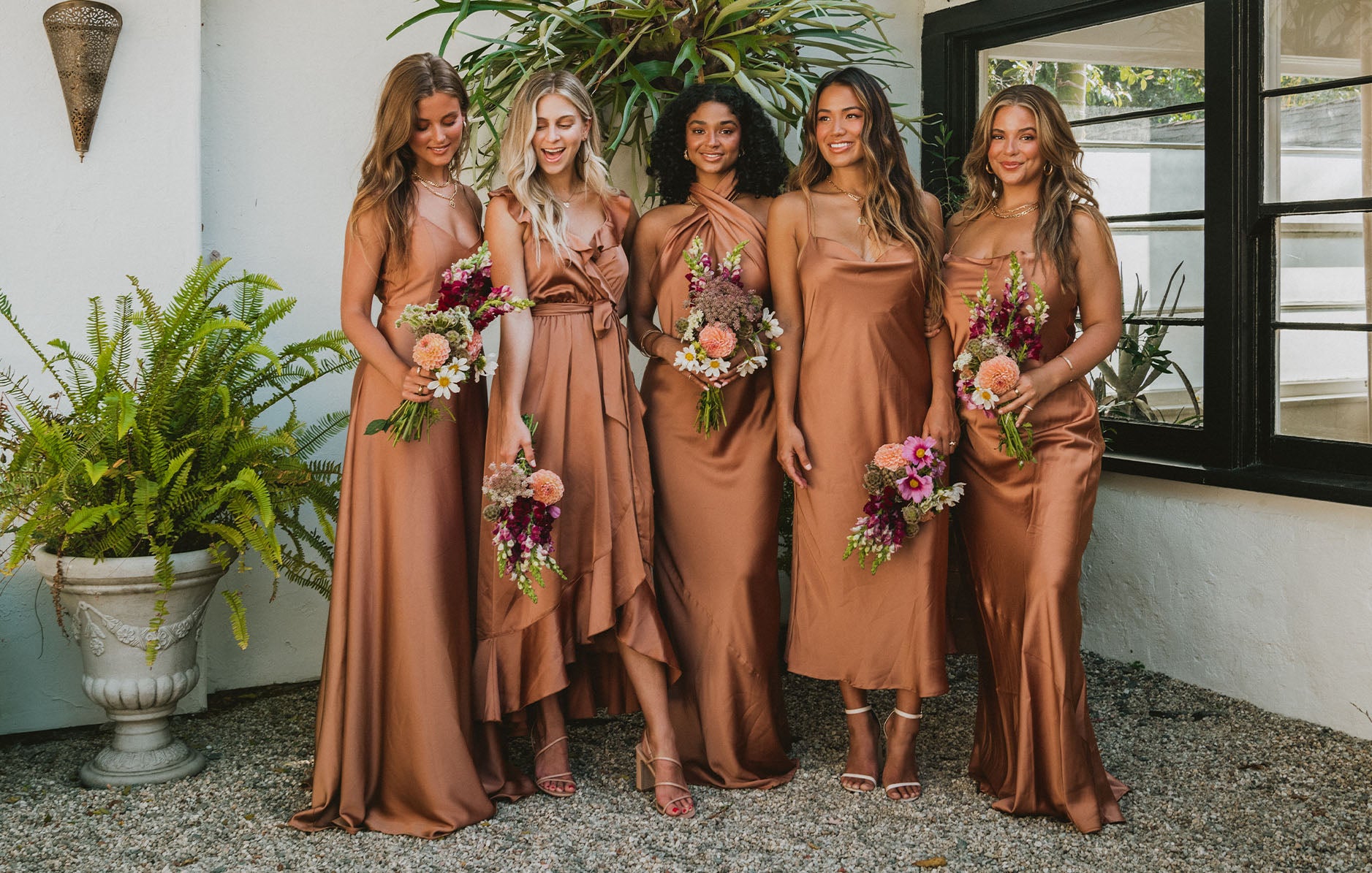
9 Bridesmaid Dresses For The Perfect Fall Wedding – Show Me Your Mumu
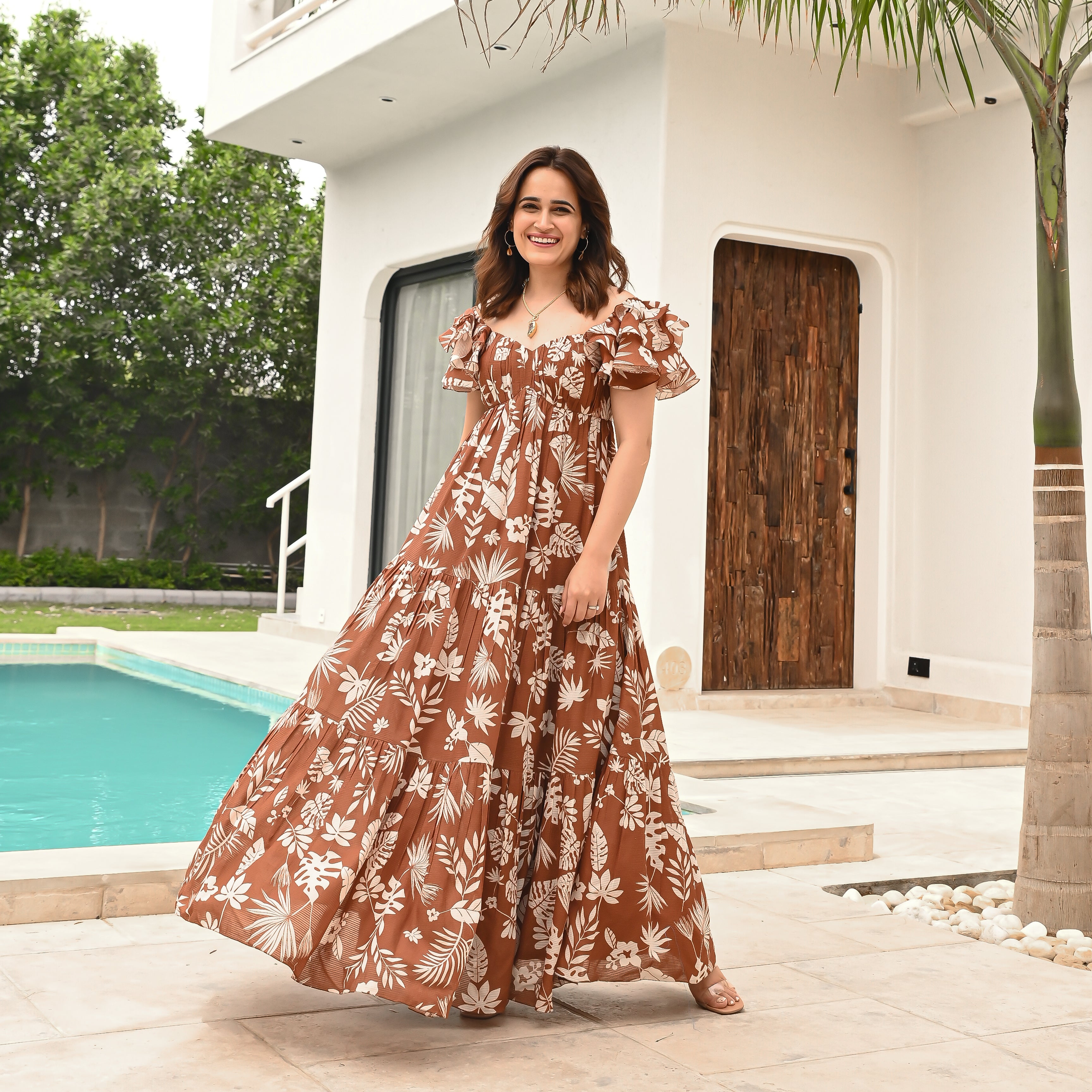
Long Sundresses Leafy Cascade Long Dress – Ordinaree
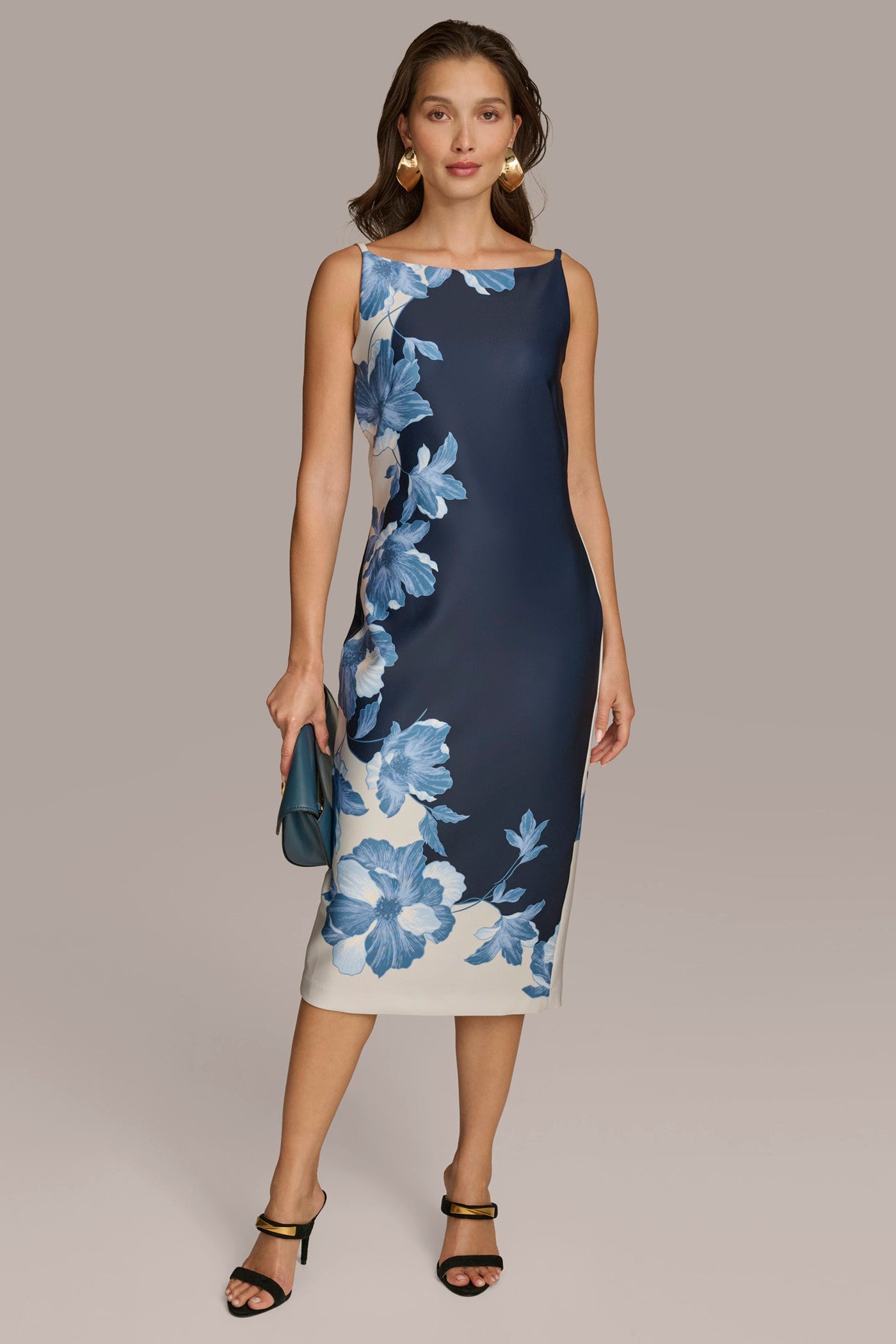
Scuba Floral Placement Print Midi Dress | Sheath Dress | Donna Karan
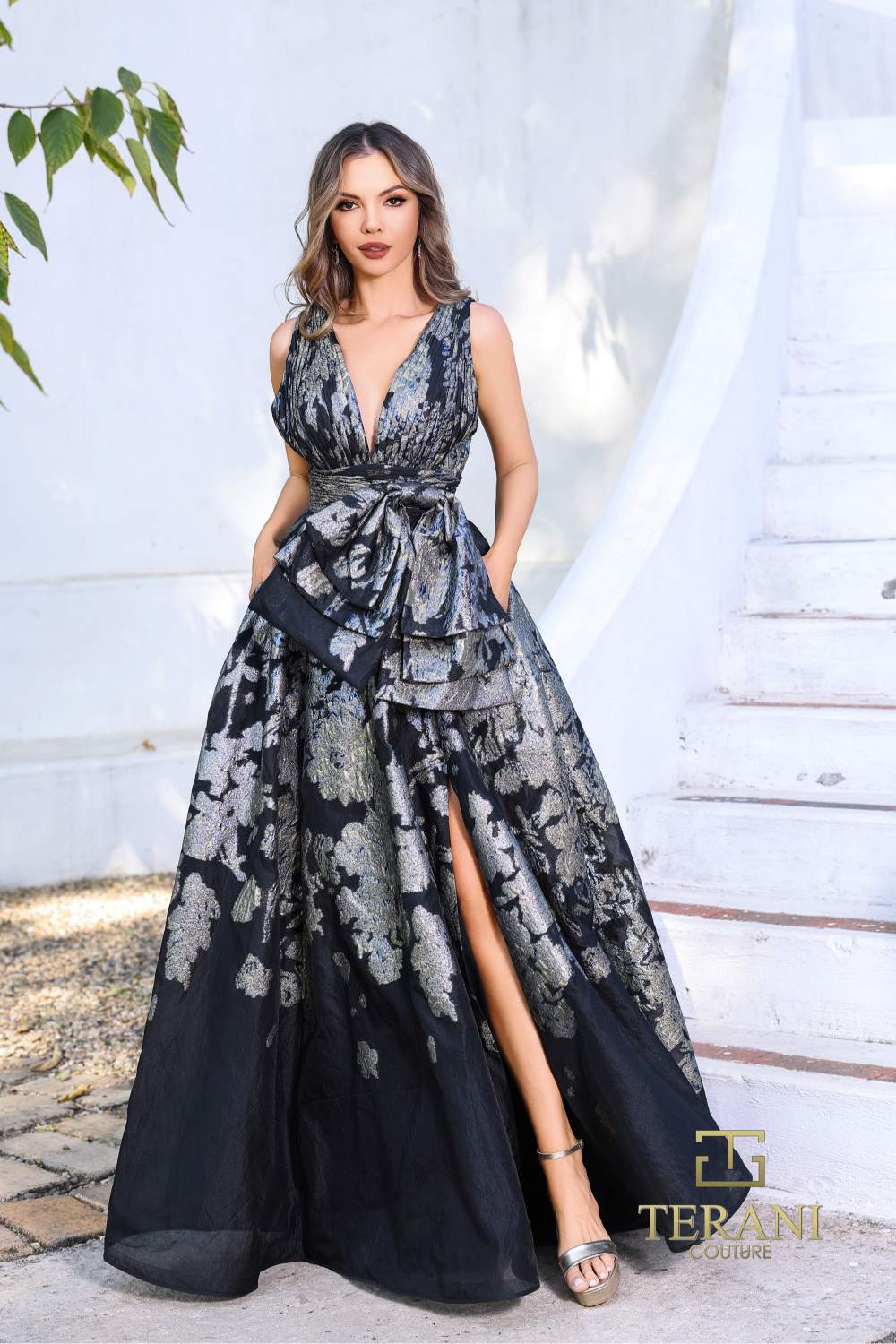
252E5145 - Black Slate V-Neck A-line Long Evening Dress
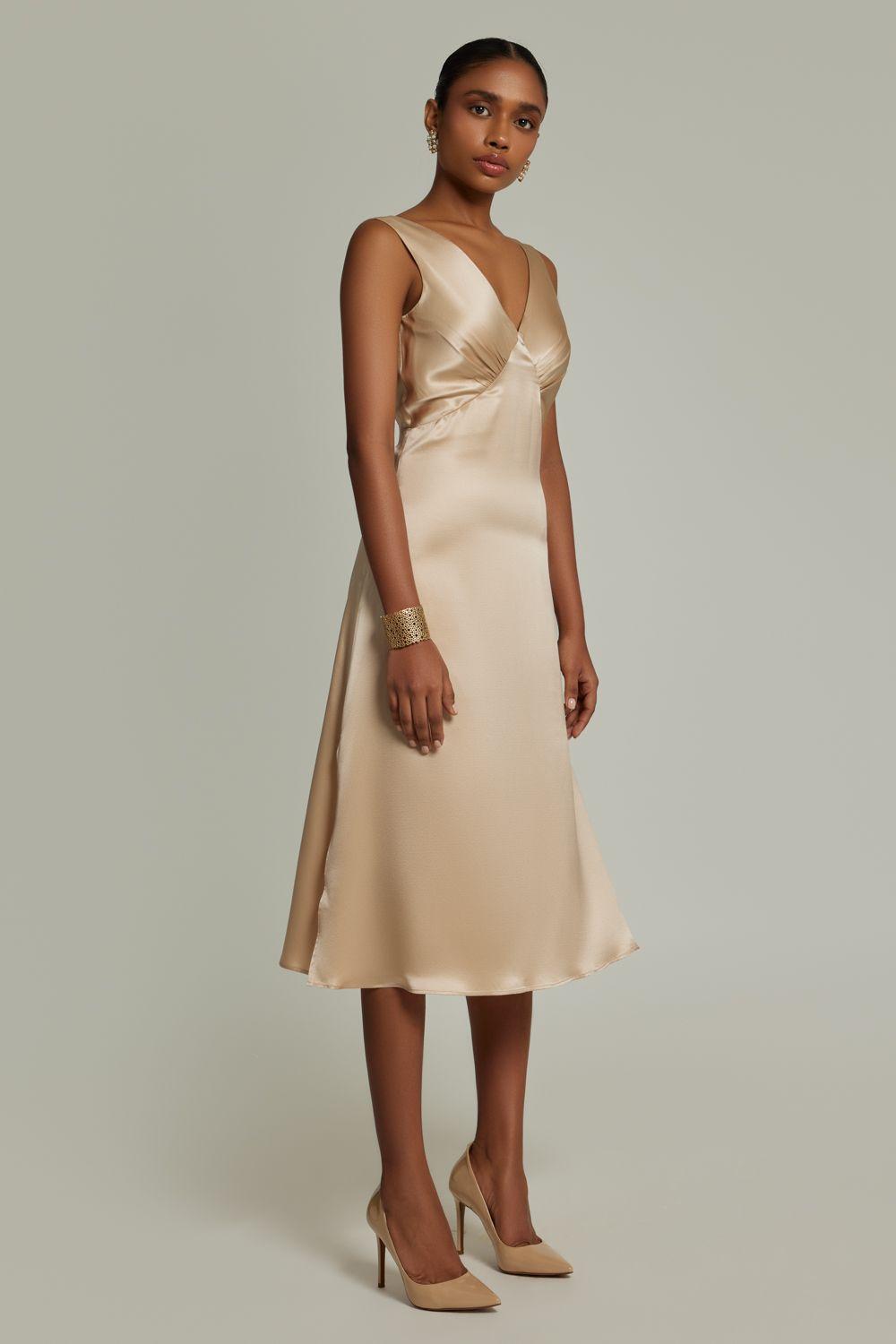
Buy Refined Revolution Soft Beige 100% silk charmeuse satin Dresses

Wear To Graduation Picture Dresses Graduation Cap Graduation ...
![HONGLONG Vintage Working Ladies Shoulder Bags, Large Capacity ... [google]](admin/resimler/honglong-vintage-working-ladies-shoulder-bags-large-capacity-google_1764149751.jpeg)
HONGLONG Vintage Working Ladies Shoulder Bags, Large Capacity ... [google]
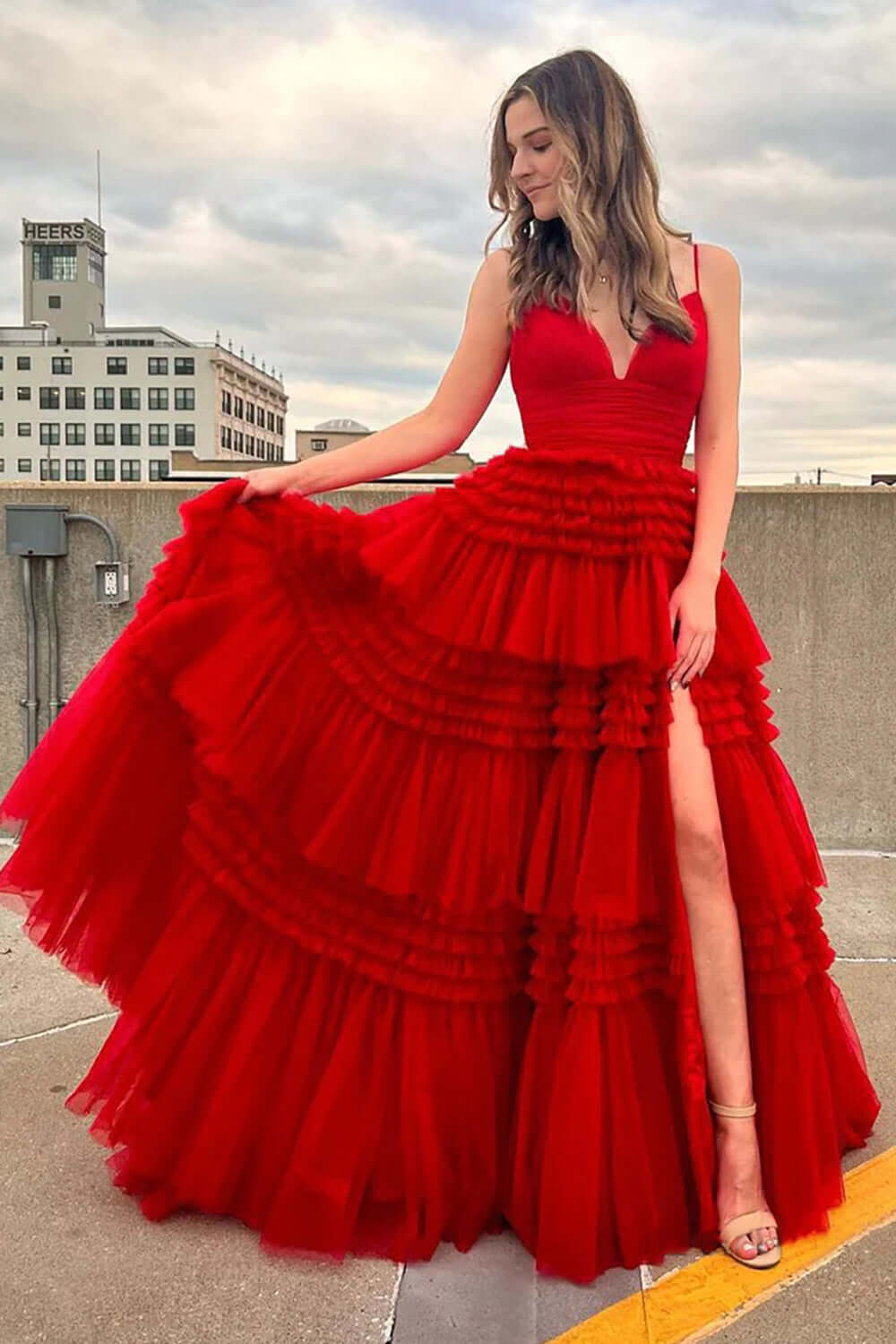
Cheap Red Tulle Prom Dresses 2025 V Neck Spaghetti Straps Long ...
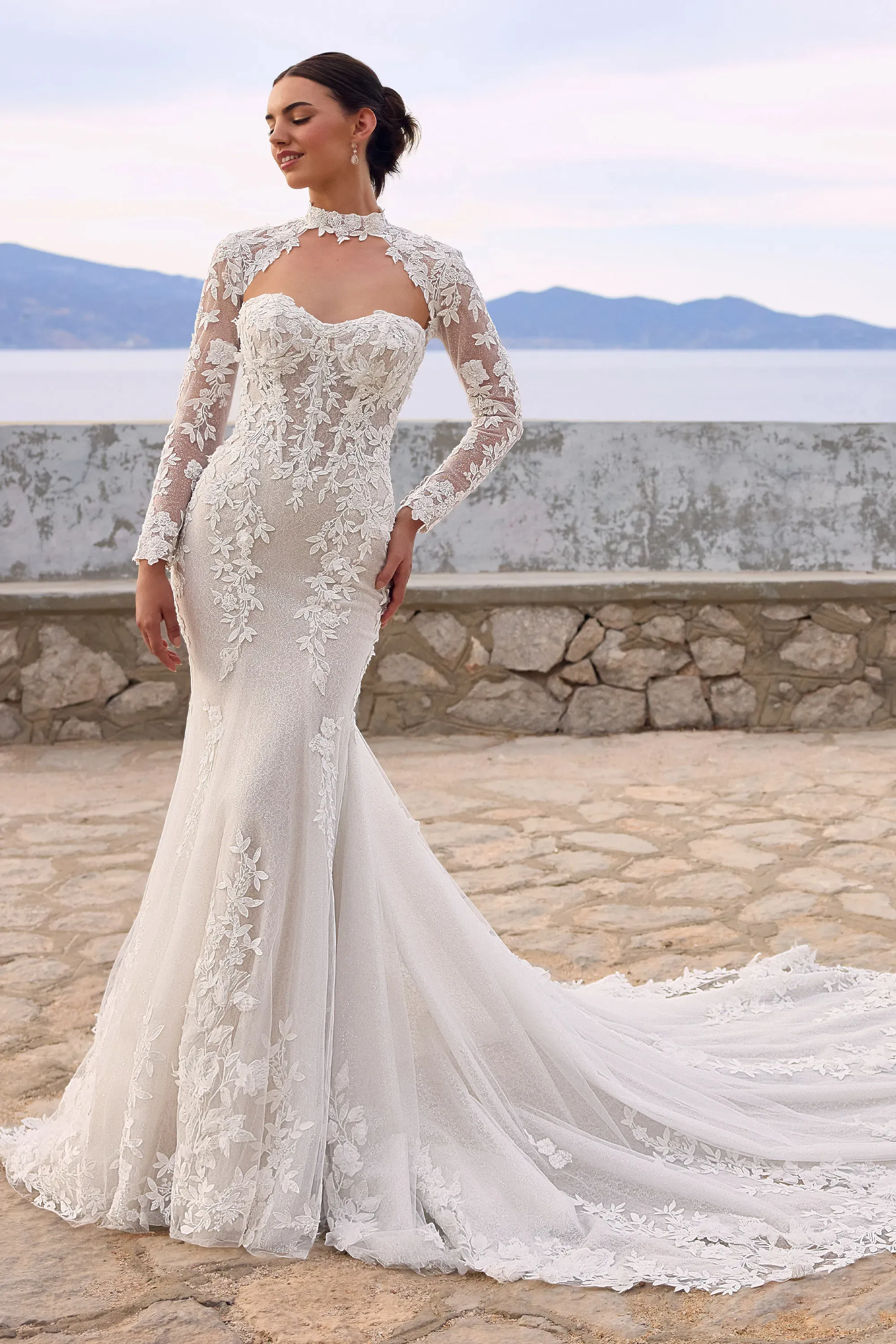
Luxury Lace Wedding Dress with Jacket Bridal Accessory | Sophia
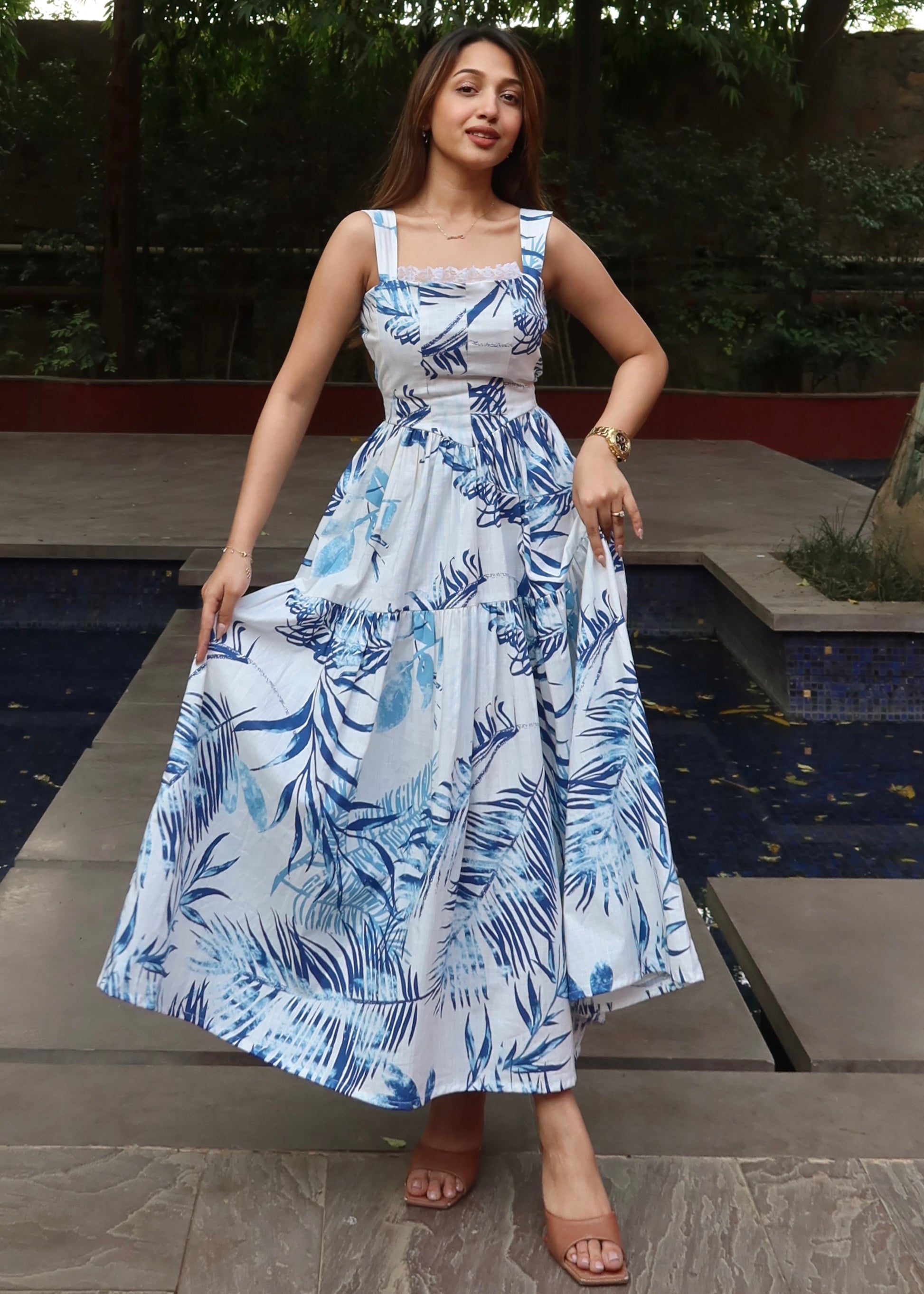
Bailey Summer Dress – diamondlady


Yorumlar