
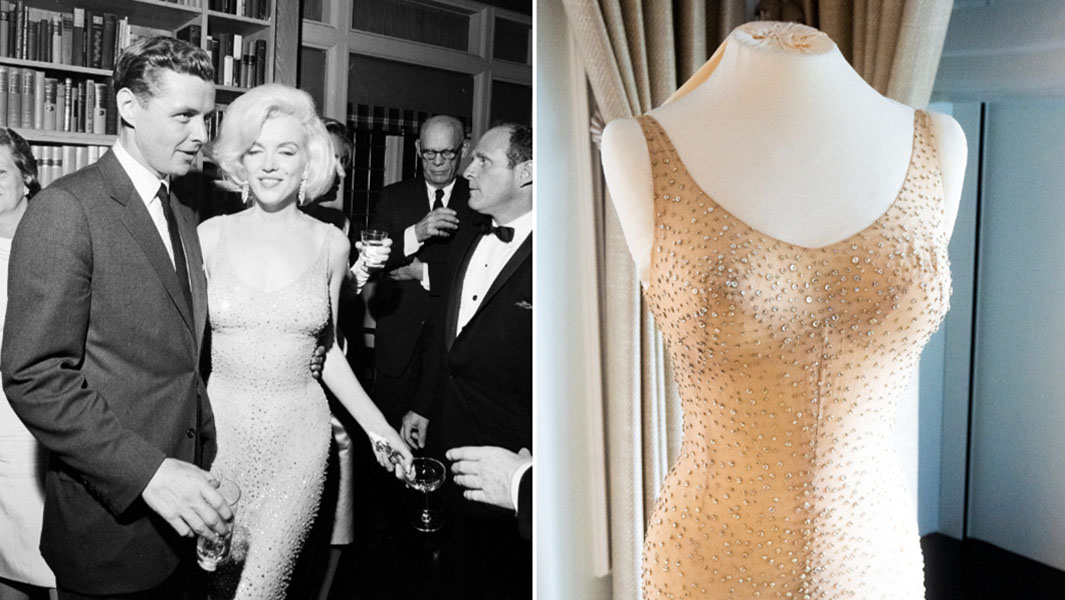
On May 19, 1962, at Madison Square Garden, Marilyn Monroe delivered one of the most iconic and unforgettable performances in American history: her sultry rendition of "Happy Birthday, Mr. President" for John F. Kennedy's 45th birthday celebration. This brief, breathy serenade, performed just months before her untimely death, transcended a mere birthday greeting, evolving into a cultural touchstone. It was a moment laden with spectacle, speculation, and an almost palpable tension, forever intertwining the legacies of two of America's most enduring figures and sparking decades of fascination regarding its true implications.
Marilyn Monroe's appearance that evening was a meticulously orchestrated surprise, delayed until late in the program. Introduced by Peter Lawford, Kennedy's brother-in-law, with a playful jab about her famous tardiness, Monroe finally emerged from the wings. Dressed in a dazzling, flesh-colored gown, famously sewn onto her by designer Jean Louis and adorned with thousands of rhinestones, she shimmered under the spotlights. Her performance of "Happy Birthday" was delivered in a slow, intimate, almost whispered tone, punctuated by her iconic "Thanks, Mr. President... for everything." The performance captivated the 15,000 attendees and countless more watching on television, leaving an indelible mark with its unique blend of vulnerability and audacious sensuality.
The immediate aftermath of Monroe's performance was a whirlwind of public fascination and private controversy. While many were charmed by her allure, others, particularly within more conservative circles and the First Lady's camp, viewed the act as overtly provocative and inappropriate for a presidential tribute. The intimate nature of her delivery, coupled with the revealing gown, fueled widespread rumors and speculation about an alleged affair between Monroe and President Kennedy. This public display, coming at a time when Monroe's personal life was already under intense scrutiny and her career facing challenges, only intensified the media's focus on her, further cementing her image as a tragic sex symbol rather than a serious actress.
Decades later, the "Happy Birthday, Mr. President" moment remains one of the most referenced and analyzed events in pop culture history. It stands as a powerful symbol of the glamorous, yet often turbulent, early 1960s. The performance is frequently parodied, recreated, and discussed, continuously raising questions about the intersection of fame, power, and vulnerability. Its significance is tragically amplified by Monroe's death just three months later, transforming a moment of dazzling celebrity into a poignant, almost prophetic, final bow. The image of Marilyn, shimmering and singing, continues to resonate, embodying a complex narrative of beauty, desire, and the fleeting nature of life under the brightest spotlights.
Marilyn Monroe's "Happy Birthday, Mr. President" was far more than a simple song; it was a carefully constructed spectacle that inadvertently became a pivotal moment in American cultural lore. It forever etched her into the fabric of presidential history, cemented her status as an unparalleled icon, and remains a powerful testament to her unique ability to command attention and ignite imagination. The mystique surrounding that evening persists, ensuring its place as an unforgettable chapter in the enduring legend of Marilyn Monroe.
API Hatası: models/gemini-1.5-flash is not found for API version v1beta, or is not supported for generateContent. Call ListModels to see the list of available models and their supported methods.

31 Types of Suits for Men: The Guide to Suit Styles - Hockerty

Amazon.com: MYBFYABO Women Christmas Costume Santa Cosplay Dress ...
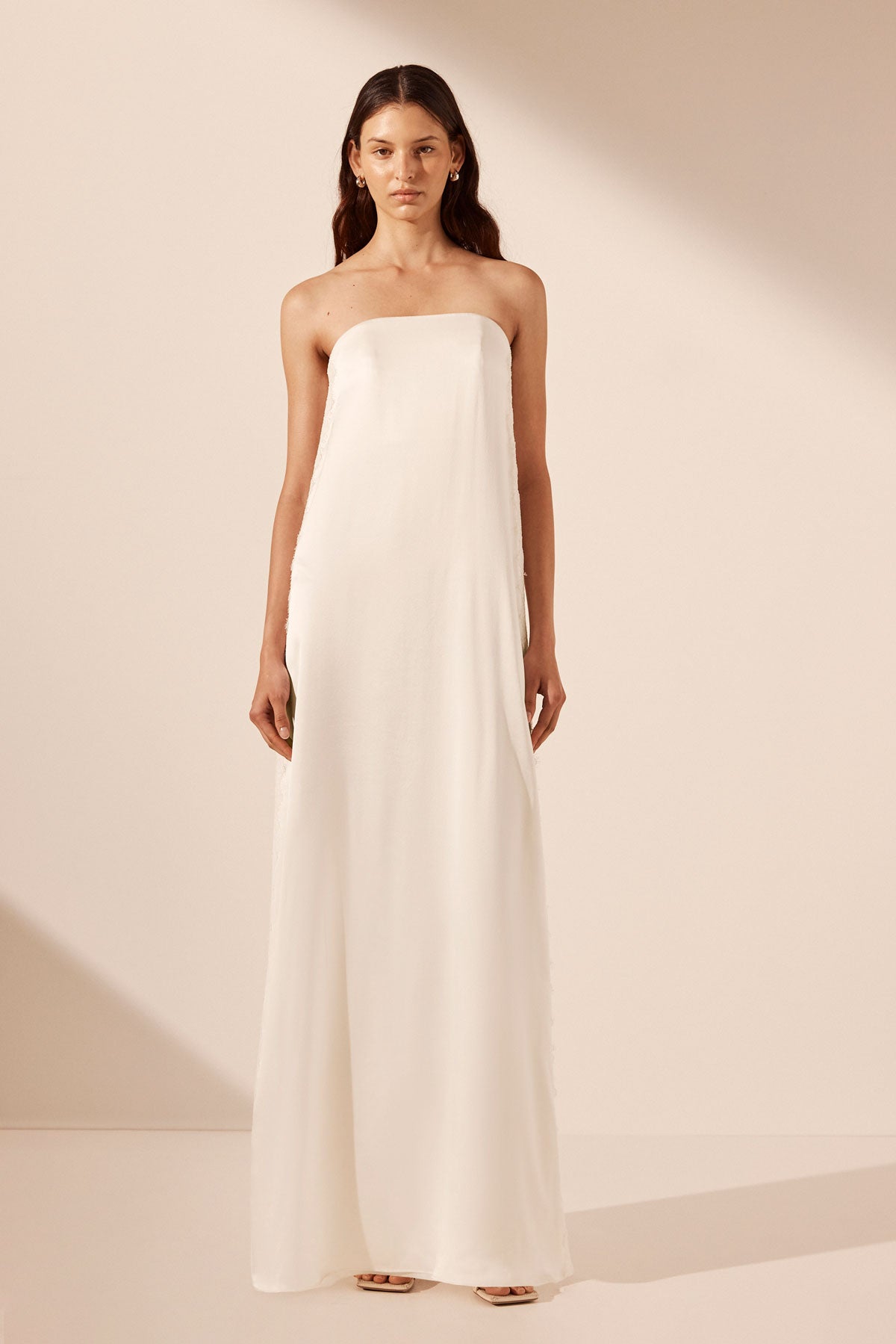
Makale description: Claude Cut Out Side Split Maxi Dress | Black | Dresses | Shona Joy ...

Women's Athletic Shoes & Sneakers | Nordstrom
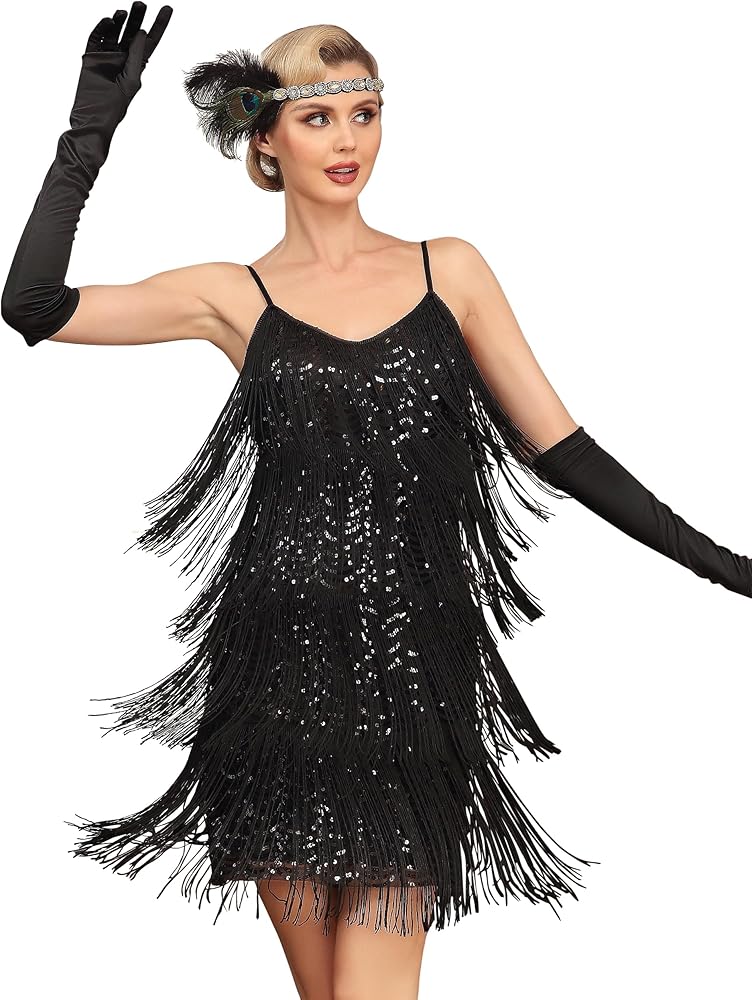
Amazon.com: PrettyGuide Women's Black Flapper Dress V Neck Sequin ...
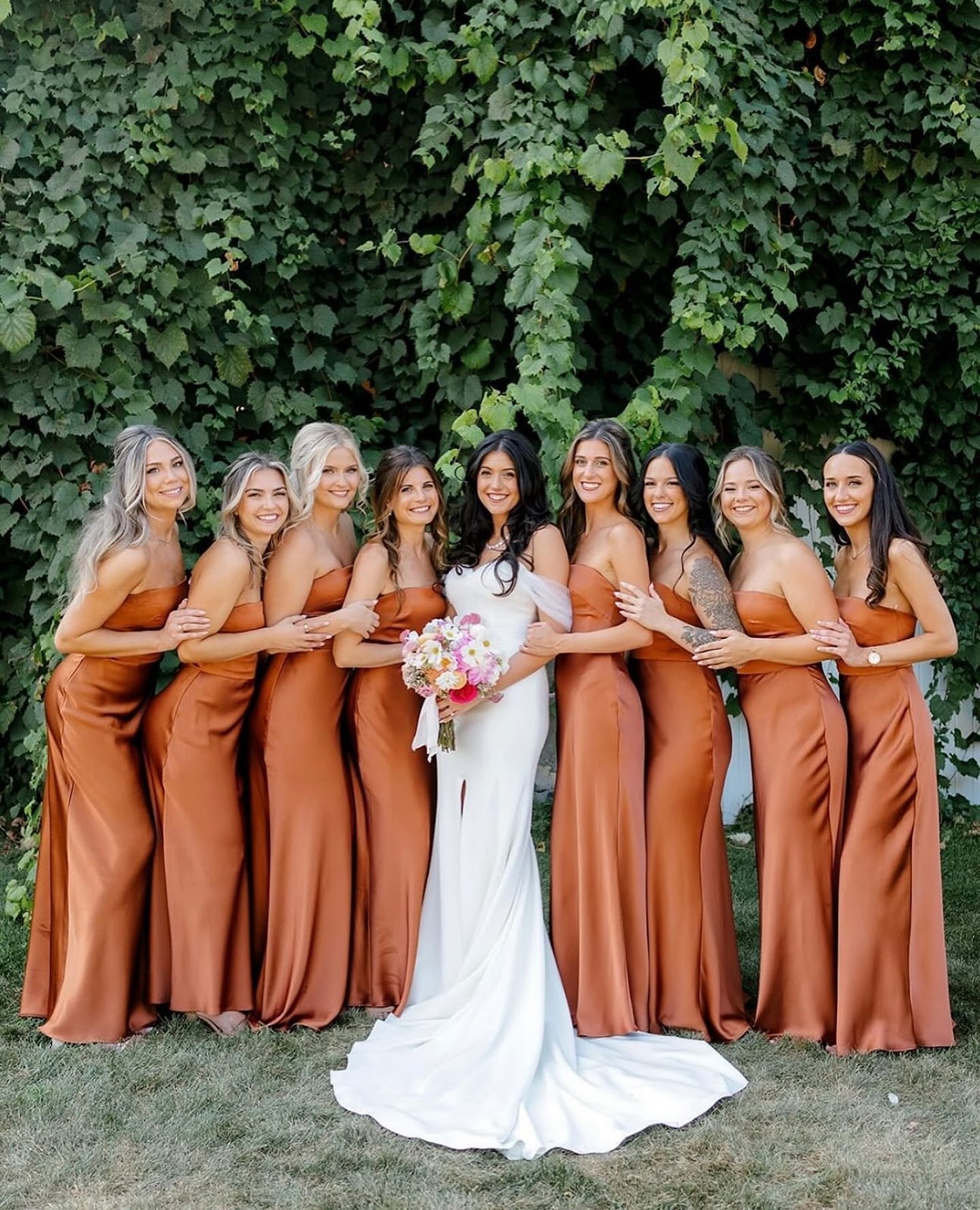
Discount bridal bridesmaid dresses Top Sellers
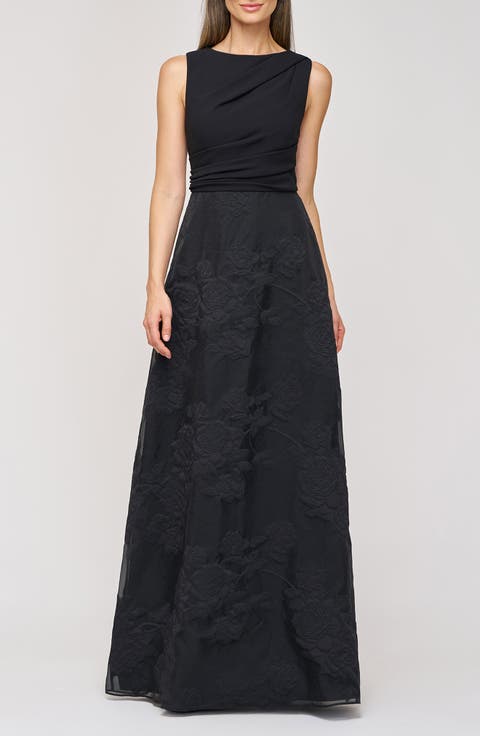
Dresses for Mother of the Bride or Groom
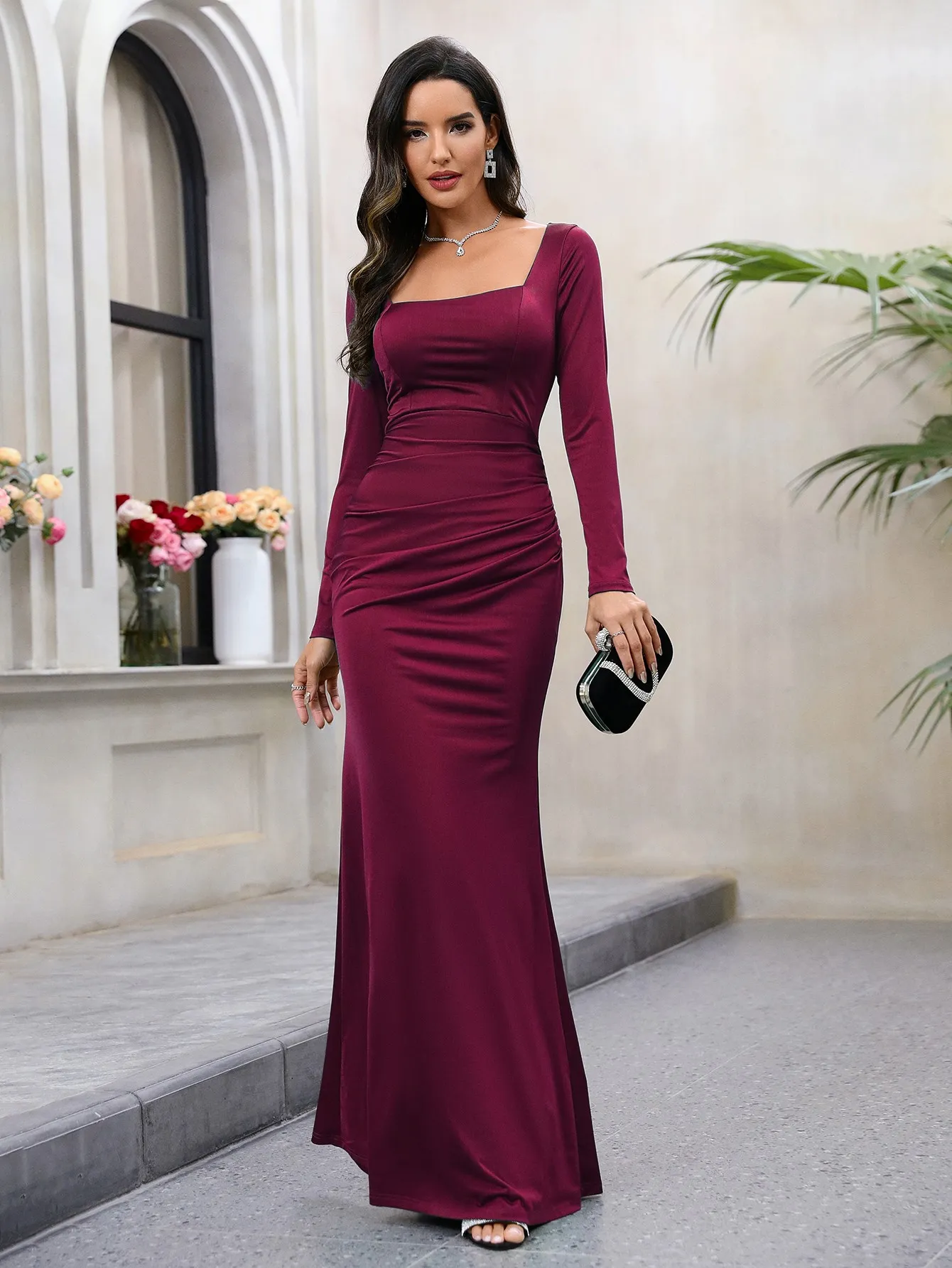
Ladies Dresses Mermaid Bodycon Midi Dress Mermaid Bodycon Dress ...
![Capturing a special moment of a young couple during prom night in McKinney, Texas. [pexels]](admin/resimler/capturing-a-special-moment-of-a-young-couple-during-prom-night-in-mckinney-texas-pexels_1761593034.jpeg)
Capturing a special moment of a young couple during prom night in McKinney, Texas. [pexels]


Yorumlar