

The world of legwear can often feel like a tangled web, especially when trying to distinguish between leggings and tights. While these two wardrobe staples might seem interchangeable at first glance, they serve distinct purposes and possess unique characteristics. Understanding these differences is key to making the right choice for comfort, style, and occasion, ensuring you're never caught in a fashion faux pas or an uncomfortable situation. This guide will unravel the nuances, providing clarity on when to opt for one over the other.
The most significant difference between leggings and tights lies in their fabric composition and inherent opacity. Leggings are generally made from thicker, more substantial fabrics such as cotton blends, spandex, polyester, or even synthetic leathers. This construction renders them largely opaque, meaning they are designed to be worn as primary outerwear, akin to trousers or pants. Their robust nature allows them to be a standalone garment, offering full coverage and often a flattering silhouette. You wouldn't typically expect your underwear to show through a well-chosen pair of leggings.
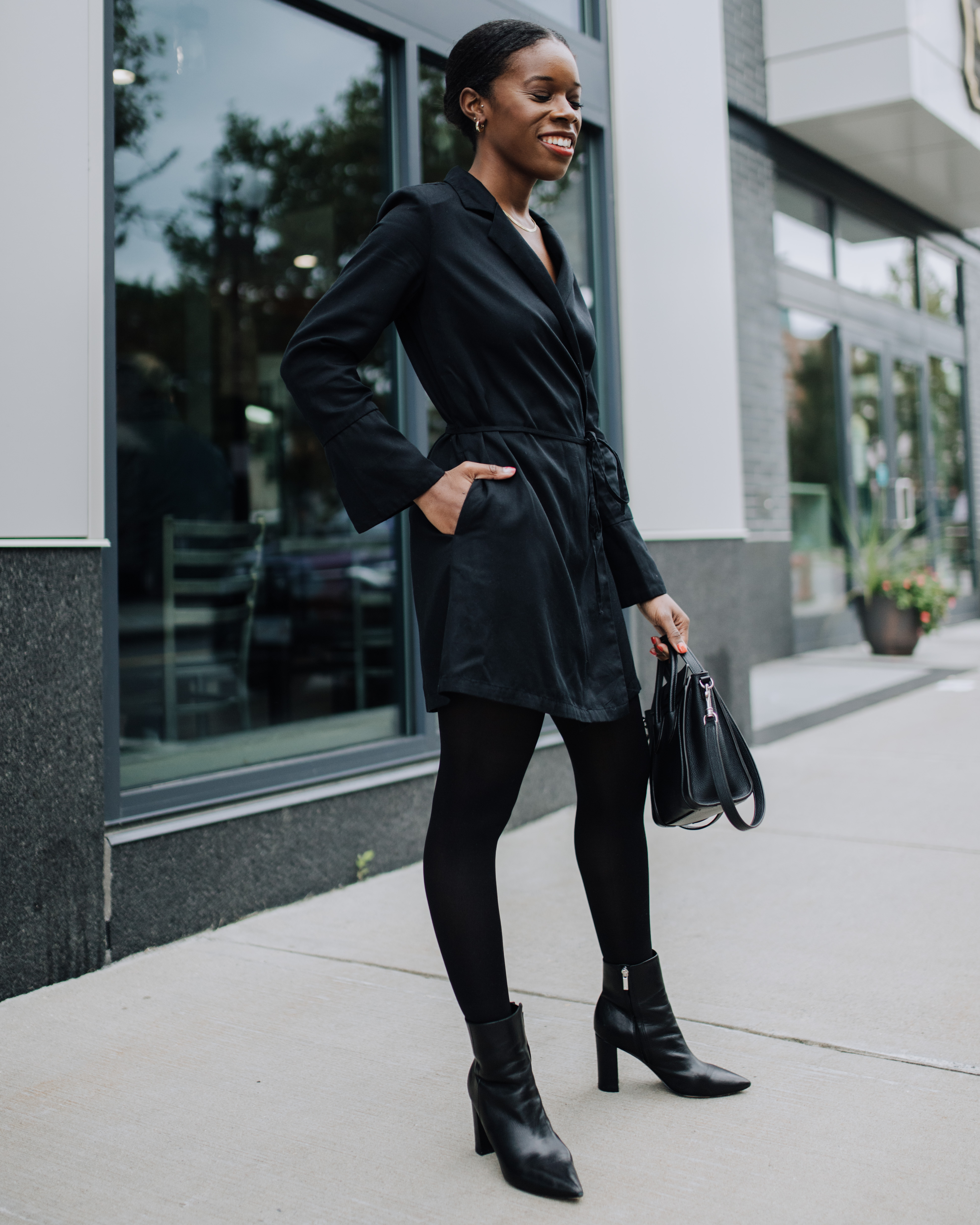
Tights, conversely, are typically crafted from much thinner, often sheer or semi-sheer materials like nylon, lycra, or various synthetic fibers. They are a form of hosiery, primarily designed to be worn as an underlayer beneath skirts, dresses, or tunics. Their main purpose is to provide warmth, a smooth finish, or a decorative element, rather than serving as the main event. While some thicker "opaque" tights exist, even these are usually thinner and less durable than most leggings, and are still largely considered an accessory or base layer rather than a standalone pant.
The intended use and styling potential also vary significantly. Leggings are incredibly versatile and have evolved into a core fashion item. They are suitable for a vast array of occasions, from casual everyday wear and lounging to activewear and even more dressed-up ensembles when paired with tunics, long sweaters, or boots. Their diverse range includes various lengths (capri, ankle, full), patterns, and textures, allowing for personal expression. Many leggings offer features like compression for exercise or fleece lining for extra warmth, reinforcing their role as a functional outer garment.
Tights, on the other hand, are traditionally associated with more formal or professional settings, or simply for added warmth and modesty under other clothing. They provide a smooth, streamlined look that complements skirts and dresses without adding bulk. While patterned or colored tights can certainly make a style statement, they are almost always worn as an accompaniment to another main garment. Their delicate nature means they are more prone to runs and snags, making them less practical for activities that require durability, unlike their legging counterparts.
When it comes to functionality, leggings often win in terms of durability and robust performance. Their thicker fabric provides better insulation and can withstand more wear and tear, making them ideal for everything from intense workouts to daily errands. Many activewear leggings incorporate moisture-wicking properties and strategic seams for comfort during physical activity. They are designed to move with the body and offer support, truly acting as a piece of clothing in their own right. The construction of leggings is built for repeated use and washing without significant degradation.
Tights, by design, prioritize a sleek appearance and a secondary layer of warmth. Their primary function is to cover the legs smoothly and unobtrusively, enhancing the look of an outfit rather than being the outfit itself. The "denier" measurement, indicating the thickness and sheerness of the yarn, is specific to tights and hosiery, further highlighting their distinct category. While they provide a layer of warmth, they are not engineered for the same level of protection or long-term durability as leggings. Their delicate nature means they require more careful handling and are more susceptible to damage, reflecting their role as a temporary or complementary garment.
In conclusion, while the lines can sometimes blur with footless tights or particularly thin leggings, the core distinction remains clear. Leggings are robust, opaque garments intended as primary outerwear, offering versatility for various activities and styles. Tights are delicate, often sheer hosiery designed as an underlayer, providing warmth, a smooth finish, or a decorative touch to complement other clothing. By understanding these fundamental differences, you can confidently choose the appropriate legwear for any occasion, ensuring both comfort and impeccable style.
![Short Cocktail Dresses | Short Evening Dresses | Effie's Terani ... [google]](admin/resimler/short-cocktail-dresses-short-evening-dresses-effie-s-terani-google_1762888776.jpg)
Short Cocktail Dresses | Short Evening Dresses | Effie's Terani ... [google]
![dessy blush bridesmaid dresses Factory Store [yandex]](admin/resimler/dessy-blush-bridesmaid-dresses-factory-store-yandex_1761593795.jpg)
dessy blush bridesmaid dresses Factory Store [yandex]
The Other White Dress by Morilee - 12616 | Classy Threads

Amazon.com: LEJY Women's Off Shoulder Quinceanera Dresses ...
Elegant Black Amber Gown - Shop Formal Evening Dresses at Lady ...

How to Mix and Match Bridesmaid Dresses [Colors, Styles, & More ...
Dress black tights and boots new arrivals
India — Blanche Bridal | Designer Wedding Dresses
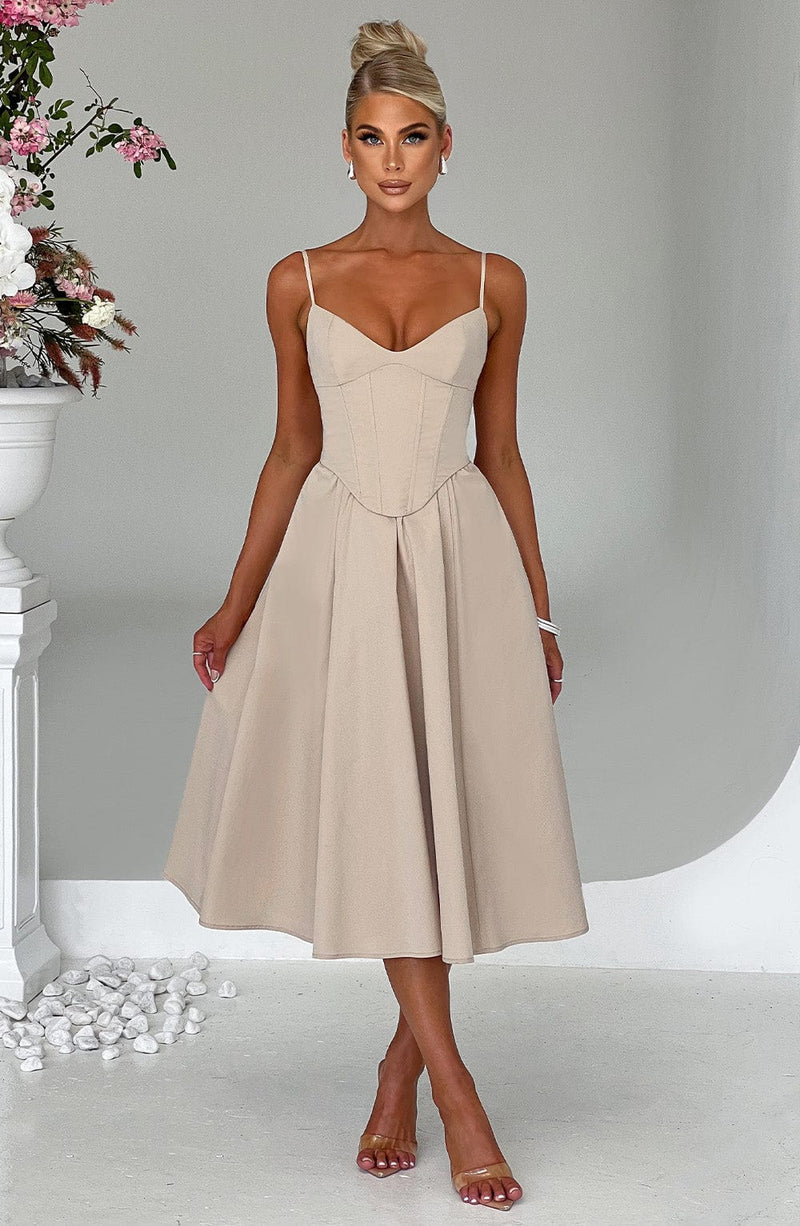
Mariella Midi Dress - Beige – Babyboo Fashion

Crystal Beaded Lace Sheer Bodice Quinceañera Dress - Morilee


Yorumlar