
![Close-up of an Indian bride's hands adorned with mehndi, jewelry, and traditional attire. [pexels]](admin/resimler/close-up-of-an-indian-bride-s-hands-adorned-with-mehndi-jewelry-and-traditional-attire-pexels_1761593037.jpeg)
A close-up photograph captures the breathtaking beauty of an Indian bride's hands, a canvas adorned with layers of cultural significance and artistic expression. This singular image encapsulates centuries of tradition, celebration, and marital bliss through its intricate details. The focus is entirely on the hands, revealing a mesmerizing interplay of complex mehndi designs, shimmering jewelry, and the subtle hints of rich, traditional attire that frame them. Each element, from the darkest henna stain to the brightest gem, tells a story of heritage, love, and the auspicious journey upon which the bride is about to embark. It is a visual poem, celebrating the artistry and profound symbolism embedded in Indian bridal customs.
The most striking feature adorning the bride's hands is undoubtedly the elaborate mehndi. Crafted from the natural dye of the henna plant, these temporary tattoos are far more than mere decoration; they are a vital part of the bridal ritual, believed to bring good fortune, prosperity, and health to the new couple. The patterns, often featuring peacocks, flowers, leaves, and abstract geometric motifs, are meticulously applied, sometimes taking hours to complete. Each swirl and line is a testament to the artist's skill and the bride's patience, creating a rich, reddish-brown stain that deepens over days. The darker the mehndi, it is often said, the deeper the love between the bride and her husband, or the more her mother-in-law will cherish her. This ancient art form transforms the hands into a living tapestry, ready to embrace new beginnings.
Complementing the intricate mehndi is an exquisite collection of jewelry that encircles the bride's wrists and fingers, adding a magnificent sparkle to her hands. Numerous bangles, known as bangles or chooda depending on the region, stack gracefully along her forearms, often crafted from gold, glass, lac, or adorned with precious stones. These are frequently accompanied by rings on every finger, sometimes including a haath phool, a delicate hand harness that connects a bracelet to finger rings with chains. The metal, typically gold, symbolizes purity and wealth, while the gemstones, such as rubies, emeralds, and diamonds, add bursts of color and opulence. The gentle jingle of these ornaments as the bride moves is a melodic backdrop to the wedding festivities, a constant reminder of her new marital status and the abundance that awaits her.
While the image focuses on the hands, the subtle presence of traditional attire grounds the scene in its cultural context. Though only hints of fabric might be visible, they speak volumes about the grandeur of the Indian bridal ensemble. Rich silks, velvets, or brocades in vibrant hues like deep red, maroon, or gold often frame the hands, providing a luxurious backdrop to the mehndi and jewelry. The texture of the fabric, perhaps intricately embroidered with zari (gold thread work) or embellished with beads and sequins, contributes to the overall regal aesthetic. This traditional attire is not merely clothing; it is a carefully chosen garment, often passed down through generations or custom-made, symbolizing the bride's family heritage, her transition, and the joyous celebration of her union. The harmonious blend of fabric, jewels, and henna creates a singular, unforgettable vision of bridal splendor.
The close-up of an Indian bride's hands is more than just a beautiful photograph; it is a profound cultural statement. It beautifully articulates the meticulous attention to detail, the deep-rooted symbolism, and the vibrant artistry that define an Indian wedding. From the narrative woven into every mehndi pattern to the legacy carried by each piece of jewelry, and the opulent embrace of traditional attire, these elements collectively tell a story of love, family, and tradition. The hands, adorned with such care and significance, become a powerful symbol of the bride's identity, her journey, and the auspicious beginning of a new chapter in her life. It is a timeless image, celebrating the enduring beauty and rich cultural tapestry of India.
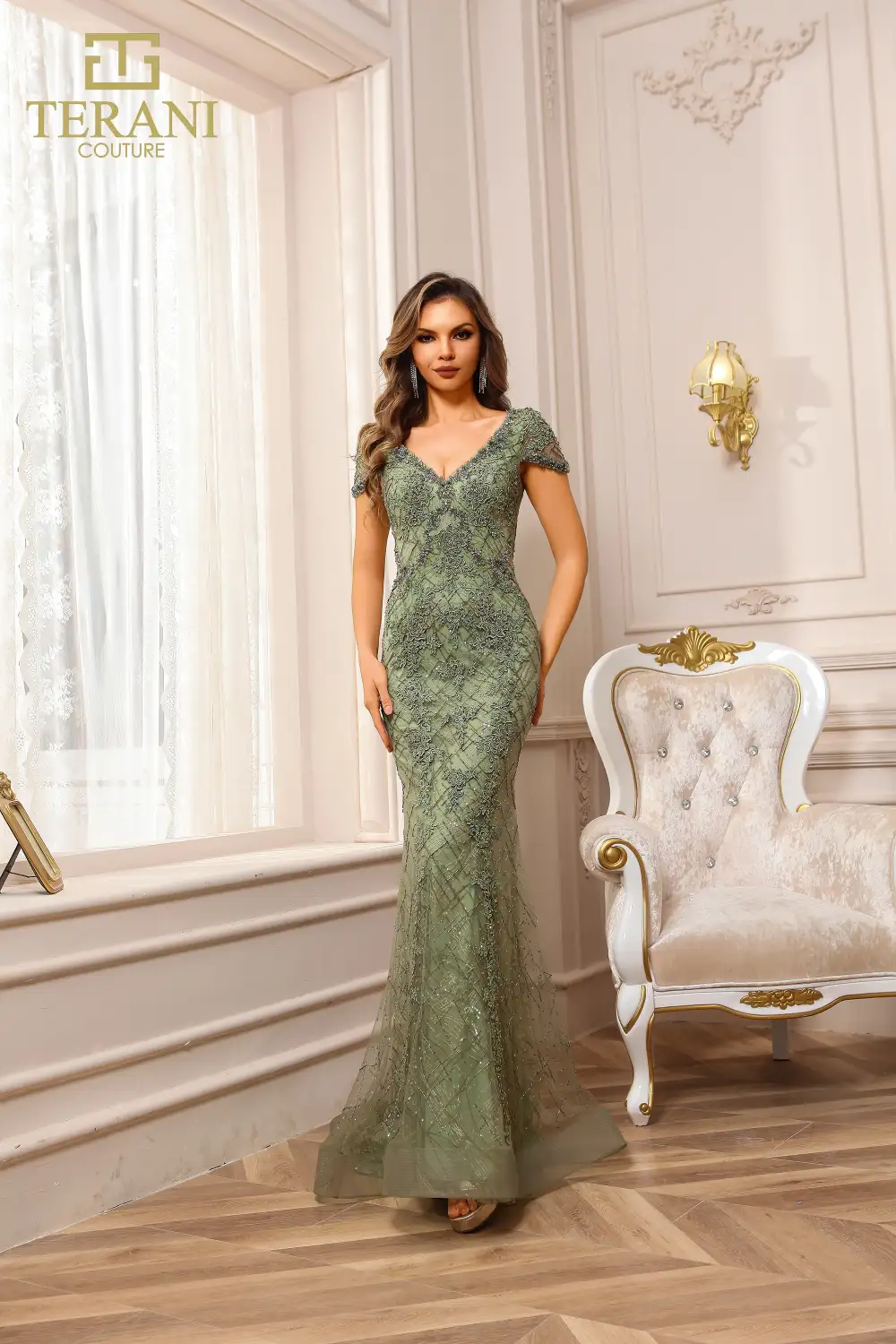
251GL4194 V-neck Trumpet Olive Lace Pageant Dress
![Azazie Bridesmaid Dresses & Gowns from $69 [google]](admin/resimler/azazie-bridesmaid-dresses-gowns-from-69-google_1764149774.jpg)
Azazie Bridesmaid Dresses & Gowns from $69 [google]
![Canan Akbas (cakbas30) - Profil Pinterest [yandex]](admin/resimler/canan-akbas-cakbas30-profil-pinterest-yandex_1761593780.jpg)
Canan Akbas (cakbas30) - Profil Pinterest [yandex]
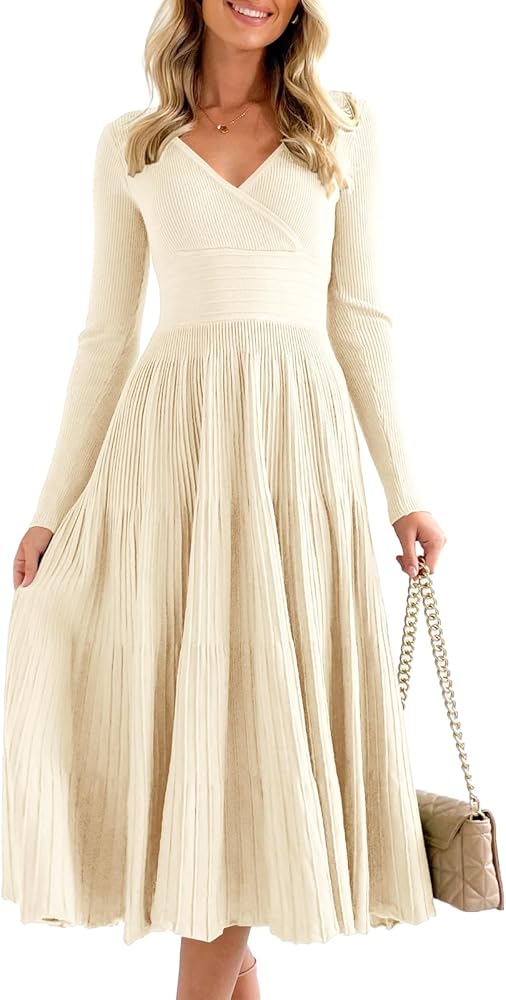
Saodimallsu Womens Long Sleeve Midi Sweater Dress Wrap V Neck ...

Plus Size Hl Bandage Dress Navy Blue Heidi Bandage Midi Dress ...
![Buy amazing dress Outlet Black Friday [google]](admin/resimler/buy-amazing-dress-outlet-black-friday-google_1764149770.jpg)
Buy amazing dress Outlet Black Friday [google]
![Hibiscus Paradise Smocked Tube Hawaiian Dress in Red – Paradise ... [google]](admin/resimler/hibiscus-paradise-smocked-tube-hawaiian-dress-in-red-paradise-google_1764149760.png)
Hibiscus Paradise Smocked Tube Hawaiian Dress in Red – Paradise ... [google]
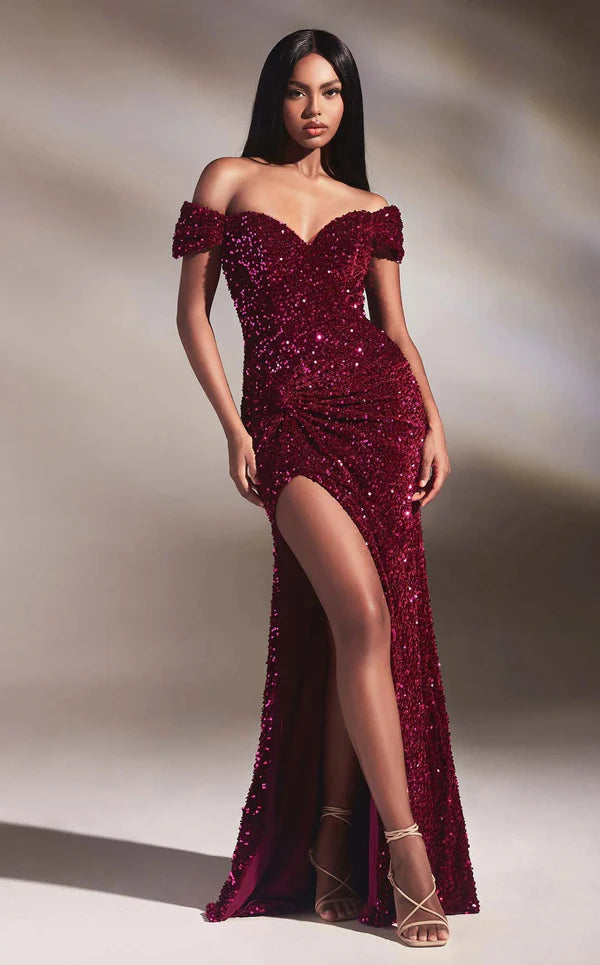
Long Off Shoulder Fitted Prom Dress by LaDivine CA109 – The Dress ...
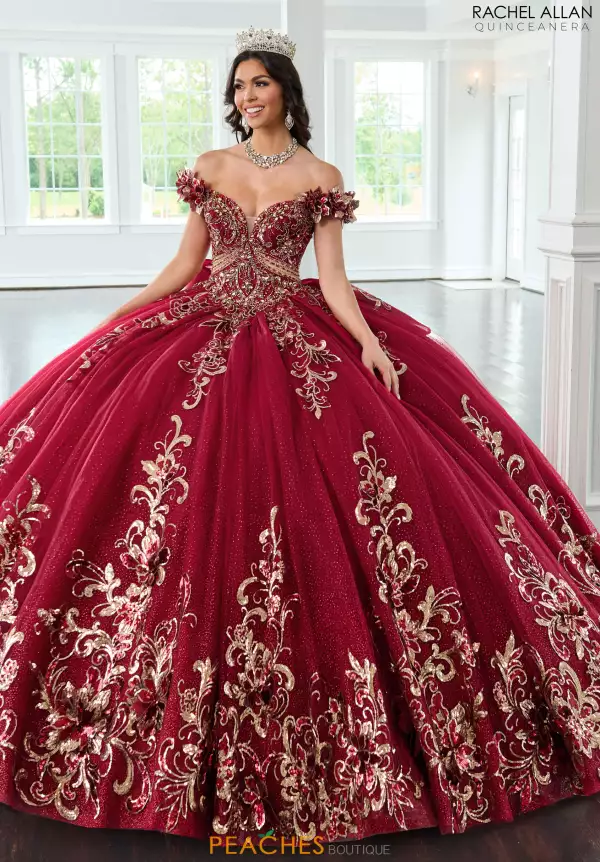
Rachel Allan Quince RQ3145 Dress - Peaches Boutique
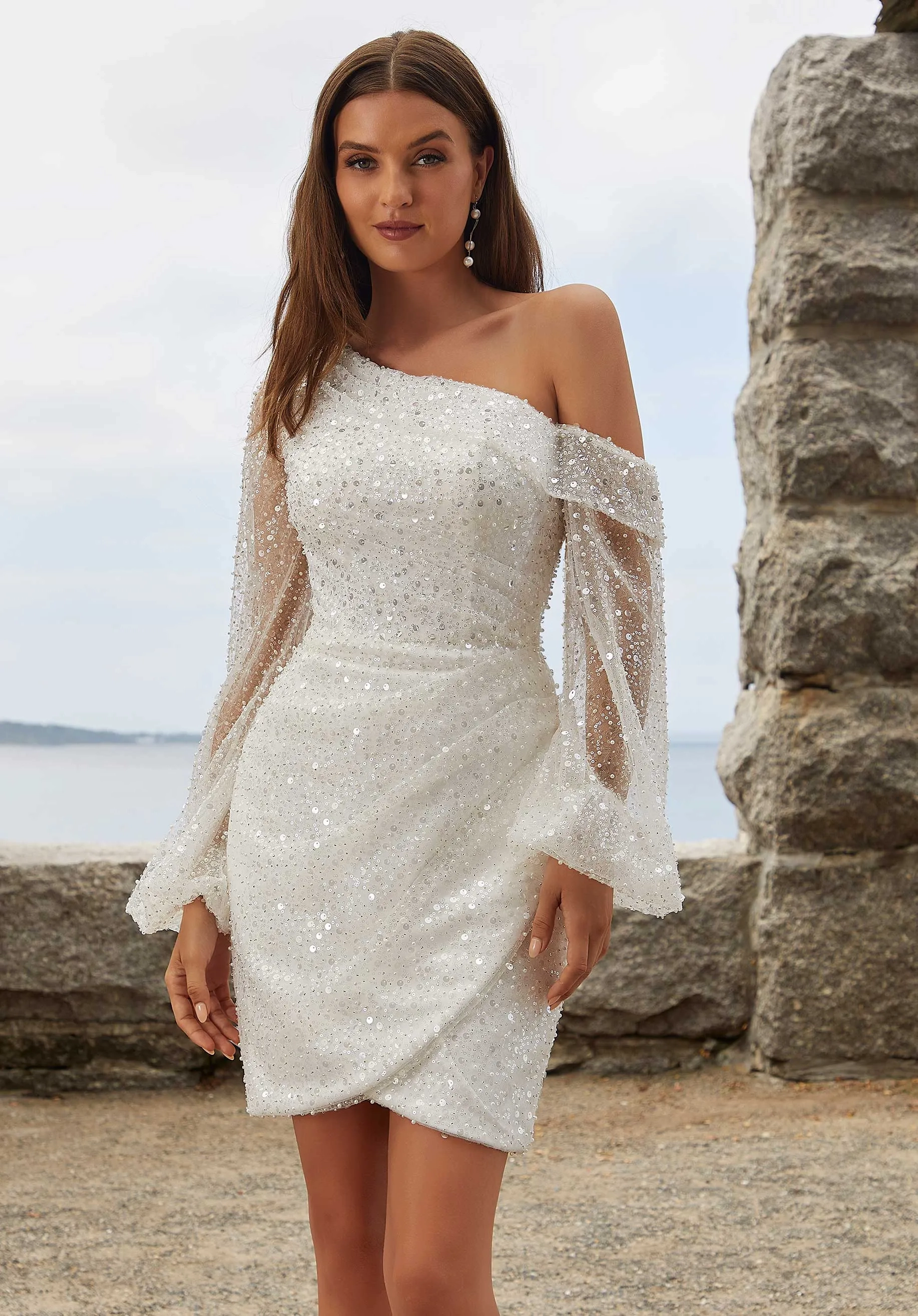
The Other White Dress By Morilee | One Enchanted Evening - 12622 ...


Yorumlar